


A molten metal thermocouple is a temperature measurement device used to measure the temperature of molten iron, steel, and other metals during melting, refining, pouring, and casting.
In foundries and steel plants, accurate molten metal temperature measurement is essential for controlling the casting process and maintaining consistent product quality.
Depending on the application, molten metal temperature can be measured using different types of thermocouples, including disposable thermocouples, expendable thermocouples, and immersion thermocouples.
This article explains what a molten metal thermocouple is, how it works, the main types available, and where it is used.
What Is a Molten Metal Thermocouple?
A molten metal thermocouple is a temperature sensor designed to measure the high temperatures of liquid metals.
Unlike ordinary temperature sensors, a molten metal thermocouple must withstand extremely high temperatures and harsh foundry environments.
It is commonly used for measuring:
- Molten iron
- Molten steel
- Cast iron
- Ductile iron
- Other high-temperature molten metals
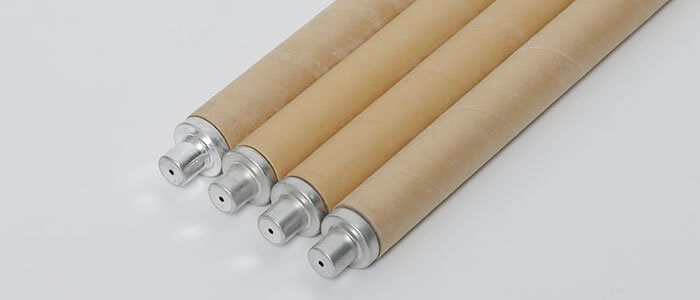
In many foundry applications, a disposable or expendable thermocouple tip is attached to a reusable lance or probe.
The thermocouple tip is immersed into the molten metal for a short period. The temperature signal is transmitted to an electronic instrument, which displays the molten metal temperature.
After measurement, the disposable tip is removed and replaced with a new one for the next measurement.
Why Is Molten Metal Temperature Measurement Important?
Temperature is one of the most important process parameters in metal casting.
If the molten metal temperature is too low, problems may include:
- Poor mold filling
- Cold shuts
- Misruns
- Premature solidification
- Incomplete castings
If the temperature is too high, it may contribute to:
- Increased oxidation
- Gas absorption
- Mold erosion
- Excessive energy consumption
- Changes in metal properties
Accurate temperature measurement helps foundries control the melting and pouring process more consistently.
How Does a Molten Metal Thermocouple Work?
A thermocouple works based on the thermoelectric effect.
A thermocouple consists of two different metallic conductors joined together at the measuring point. When the measuring junction is exposed to a different temperature from the reference end, a small electrical voltage is generated.
This voltage changes according to temperature.
The thermocouple instrument measures the electrical signal and converts it into a temperature reading.
For molten metal measurement, the process is generally:
- A disposable thermocouple tip is connected to a probe or lance.
- The tip is immersed into the molten metal.
- The thermocouple junction quickly reaches the metal temperature.
- A temperature signal is generated.
- The instrument converts the signal into a temperature reading.
- The used thermocouple tip is removed and replaced.
Because foundry processes often require fast temperature measurement, many systems are designed for a rapid response.
Main Types of Molten Metal Thermocouples
Molten metal thermocouples can be classified according to their design and thermocouple element type.
1. Disposable Thermocouple
A disposable thermocouple is designed for single-use temperature measurement.
The thermocouple tip is attached to a reusable probe or lance and immersed into molten metal. After measurement, the used tip is discarded.
Disposable thermocouples are widely used because they provide:
- Fast temperature measurement
- Convenient operation
- Reduced contamination risk
- Consistent measurement conditions
- Easy replacement
They are commonly used in iron foundries, steel plants, and other high-temperature metal processing applications.
2. Expendable Thermocouple
An expendable thermocouple is another term commonly used for a disposable thermocouple.
In many foundry and steelmaking applications, “disposable” and “expendable” thermocouples refer to the same general concept: a single-use thermocouple tip used for measuring molten metal temperature.
However, product design and specifications may vary between manufacturers.
3. Immersion Thermocouple
An immersion thermocouple measures temperature by directly immersing the sensing tip into molten metal.
Disposable thermocouple tips used with a lance are a common form of immersion temperature measurement.
Immersion measurement allows the sensor to directly contact the molten metal and obtain the actual temperature of the melt.
Common Thermocouple Types for Molten Metal
Different thermocouple types are used depending on the temperature range and application.
The most common high-temperature thermocouples used in foundry and steelmaking applications include:
| Thermocouple Type | Typical Application | Main Feature |
|---|---|---|
| S Type | Steel and foundry applications | High-temperature measurement |
| R Type | High-temperature molten metal | Good stability |
| B Type | Very high-temperature applications | Suitable for extreme temperatures |
S Type Thermocouple
S Type thermocouples are widely used for high-temperature measurement.
They are commonly selected for applications involving molten steel and other high-temperature metals.
R Type Thermocouple
R Type thermocouples are also designed for high-temperature applications.
They provide good stability and are commonly used in industrial temperature measurement.
B Type Thermocouple
B Type thermocouples are designed for very high-temperature applications.
They are often selected when the measurement temperature exceeds the normal operating range of other thermocouple types.
The correct type should always be selected according to the actual molten metal temperature and operating conditions.
Where Are Molten Metal Thermocouples Used?
Molten metal thermocouples are widely used throughout the metal production and casting process.
Iron Foundries
Thermocouples are used to measure:
- Molten gray iron
- Ductile iron
- Nodular iron
- Iron furnace temperature
- Ladle temperature
- Pouring temperature
Accurate temperature control helps maintain stable casting conditions.
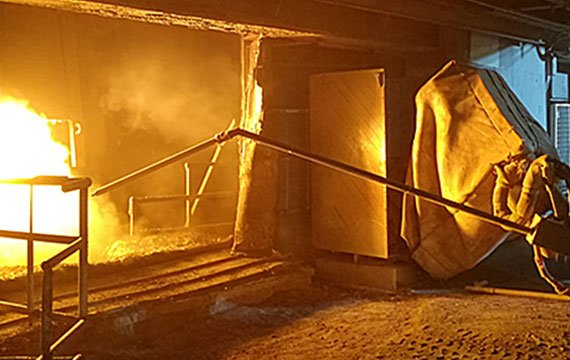
Steelmaking
Molten metal thermocouples are commonly used in:
- Electric arc furnaces
- Induction furnaces
- Converters
- Ladles
- Refining furnaces
- Tundishes
Steelmaking requires reliable high-temperature measurement because temperature directly affects refining, pouring, and downstream processing.
How to Choose the Right Molten Metal Thermocouple
Choosing the correct thermocouple depends on more than simply selecting a temperature range.
Foundries should consider the following factors.
1. Molten Metal Type
Different metals operate at different temperatures.
For example:
- Iron
- Steel
- Aluminum
- Copper alloys
may require different thermocouple configurations.
2. Measurement Temperature
The expected temperature range is one of the most important factors when selecting S Type, R Type, B Type, or other thermocouple designs.
3. Response Time
Foundry operations often require fast measurements.
A fast-response thermocouple can help operators obtain temperature data quickly and reduce unnecessary heat loss during production.
4. Measurement Location
The thermocouple may be used in:
- Furnace
- Ladle
- Tundish
- Pouring operation
- Refining process
The measurement environment should be considered when selecting the probe and thermocouple tip.
5. Thermocouple Tip Design
The tip design, protective cap, connection method, and overall construction can affect practical performance.
For disposable systems, it is important to select compatible thermocouple tips and measuring equipment.
Disposable Thermocouple Tips for Foundries
For many foundry and steelmaking applications, the thermocouple tip is the main consumable component.
A typical disposable thermocouple system includes:
- Thermocouple tip
- Protective cap
- Contact block
- Paper or protective tube
- Probe or lance
- Temperature instrument
After each measurement, the used thermocouple tip is replaced.
This system provides a practical solution for repeated temperature measurement in high-temperature molten metal applications.
Common Problems Affecting Thermocouple Measurement
Even a high-quality thermocouple may produce inaccurate results if the measurement process is not properly controlled.
Common issues include:
Incorrect Immersion
Insufficient or incorrect immersion can affect the accuracy of the measurement.
Poor Electrical Connection
Damaged or loose connections between the thermocouple tip, probe, and instrument may result in unstable readings.
Incorrect Thermocouple Type
Using a thermocouple outside its suitable temperature range can reduce measurement reliability.
Slag or Surface Contamination
Measuring only the surface of the molten metal or contacting excessive slag may affect the result.
Damaged Thermocouple Tips
Disposable tips should be properly stored and handled to prevent moisture or physical damage.
FAQ About Molten Metal Thermocouples
What is a molten metal thermocouple?
A molten metal thermocouple is a temperature sensor designed to measure the temperature of liquid metals such as iron, steel, aluminum, and copper.
How does a disposable thermocouple work?
A disposable thermocouple tip is attached to a probe, immersed into molten metal, and generates an electrical signal that is converted into a temperature reading. The tip is then replaced after use.
What is the difference between disposable and expendable thermocouples?
In many industrial applications, disposable and expendable thermocouples refer to the same type of single-use thermocouple used for molten metal temperature measurement.
Which thermocouple is used for molten steel?
S Type, R Type, and B Type thermocouples are commonly used for high-temperature applications. The correct type depends on the actual temperature range and operating conditions.
How fast can a molten metal thermocouple measure temperature?
Response time depends on the thermocouple design, molten metal temperature, immersion conditions, and measuring system. Fast-response disposable thermocouples are commonly used when rapid temperature measurement is required.
Conclusion
A molten metal thermocouple is an essential temperature measurement tool for foundries and steelmaking operations.
By accurately measuring molten metal temperature, foundries can better control melting, refining, pouring, and casting processes.
When selecting a thermocouple, key factors include:
- Metal type
- Temperature range
- Thermocouple type
- Response time
- Measurement location
- Thermocouple tip design
For repeated high-temperature measurement, disposable or expendable thermocouple systems provide a practical solution for iron foundries, steel plants, and other molten metal processing applications.
SF-Foundry supplies disposable thermocouples and thermocouple tips for molten metal temperature measurement. Different types and specifications can be selected according to the metal, temperature range, and application requirements.
Looking for the right molten metal thermocouple for your application? Contact SF-Foundry to discuss your temperature measurement requirements.
Email: info@sf-foundry.com
WhatsApp: +8618636913699