


Aluminium Foundry: Enhancing Aluminum Casting & Aluminium Alloy Quality
Explore a wide range of casting materials specifically designed for aluminum and aluminum alloy casting processes. Our offerings include high-quality products such as alumina ceramic foam filters, silicon carbide bonded particle filters, tap out cones, graphite rotors, auto sampling ladles, and thermocouples.
At SF-Foundry, we are committed to providing high-performance casting materials for the aluminum industry. Learn more about our products and how they can optimize your aluminum casting operations. Contact us today to discuss your specific requirements and discover the solutions we have to offer.
Alumina Ceramic Foam Filters for Aluminum Filtration
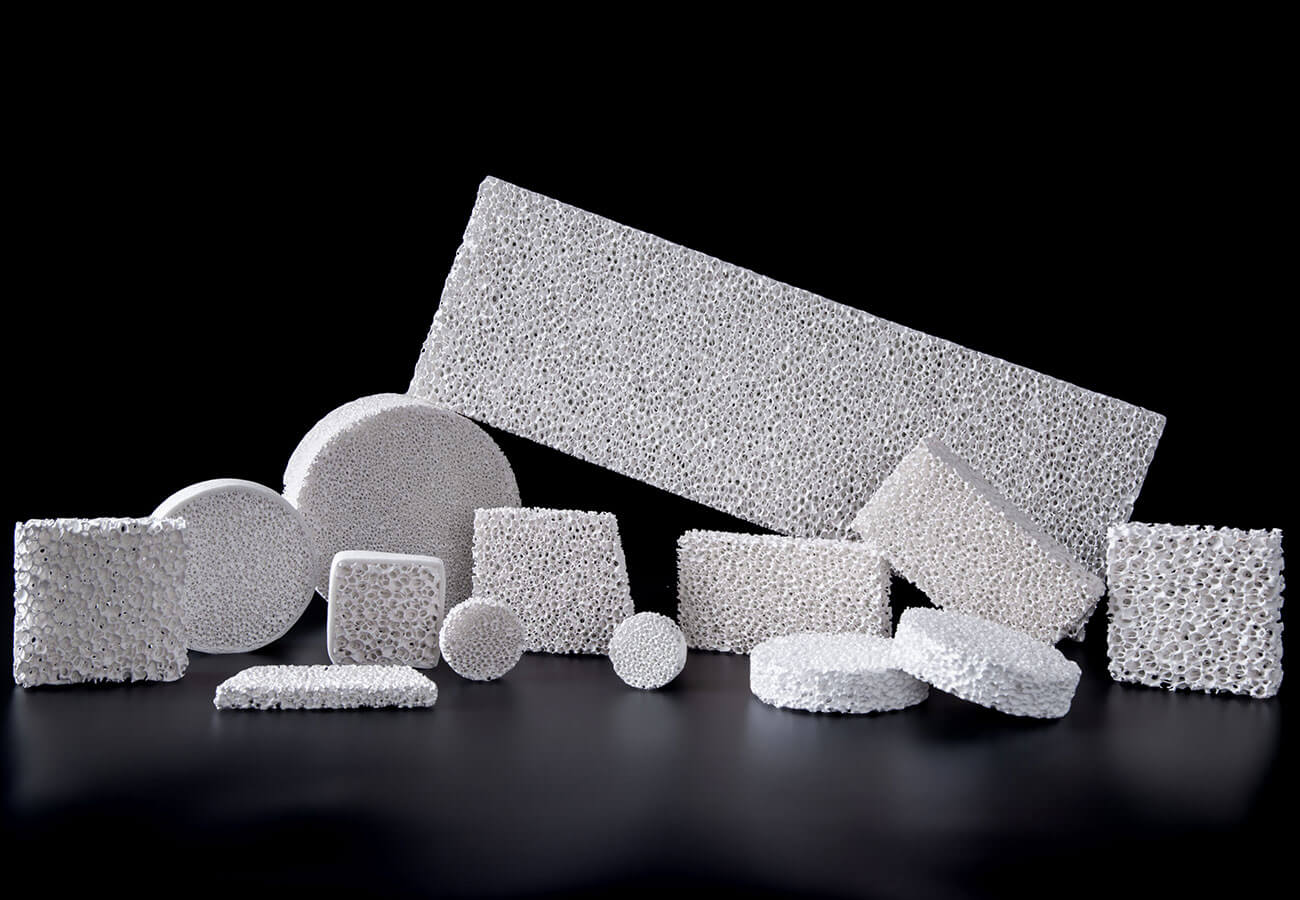
Alumina (Al₂O₃) ceramic foam filters are the industry-standard filtration material for aluminum and aluminum alloy casting. With 80–90% porosity and pore densities from 10 to 60 PPI, they effectively remove oxide inclusions, dross, and non-metallic particles from molten aluminum melts. The filter’s three-dimensional ceramic network captures fine inclusions through depth filtration while maintaining the laminar flow necessary for clean mold filling.
Available in 10 PPI (large castings, high flow), 20 PPI (general-purpose filtration), and 30 PPI (precision and thin-wall castings). Standard sizes and custom dimensions available. Operating temperature: ≤1100°C. Chemical stability: does not react with aluminum melt, preventing secondary contamination.
Typical applications: automotive wheels, engine blocks, transmission housings, structural components, recycled aluminum processing, and general aluminum foundry casting.
Key benefits:
- Removes oxide inclusions that cause machining defects and surface porosity
- Reduces scrap rate by improving melt cleanliness before the mold
- High porosity maintains melt fluidity for complete mold filling
- Cost-effective for non-ferrous casting—no over-specification required
Silicon Carbide Bonded Particulate Filters
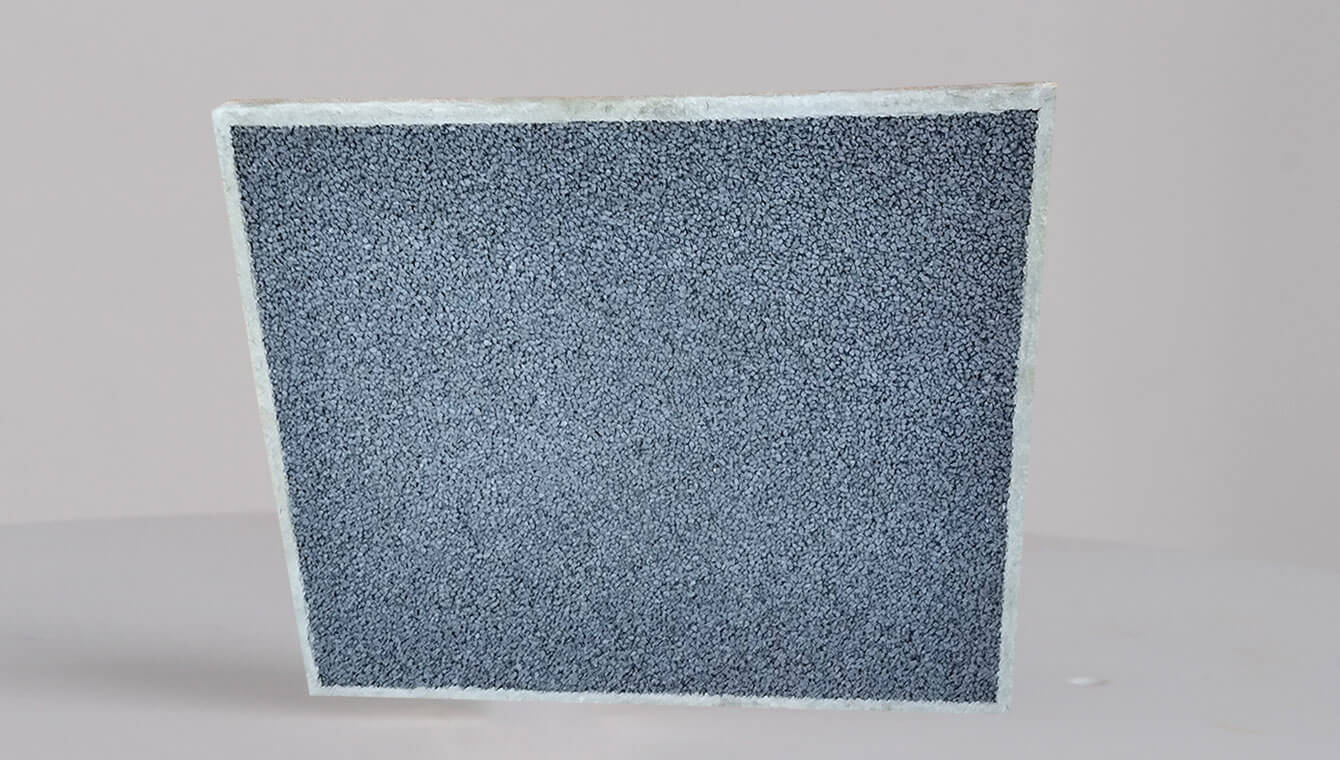
Silicon carbide (SiC) bonded particle filters are used in aluminum refining to filtrate extremely fine impurities in aluminum melt. These filters exhibit high strength and exceptional filtration efficiency. They are designed to remove minute particles and contaminants from molten aluminum, ensuring the production of high-quality aluminum products.
Tap Out Cone
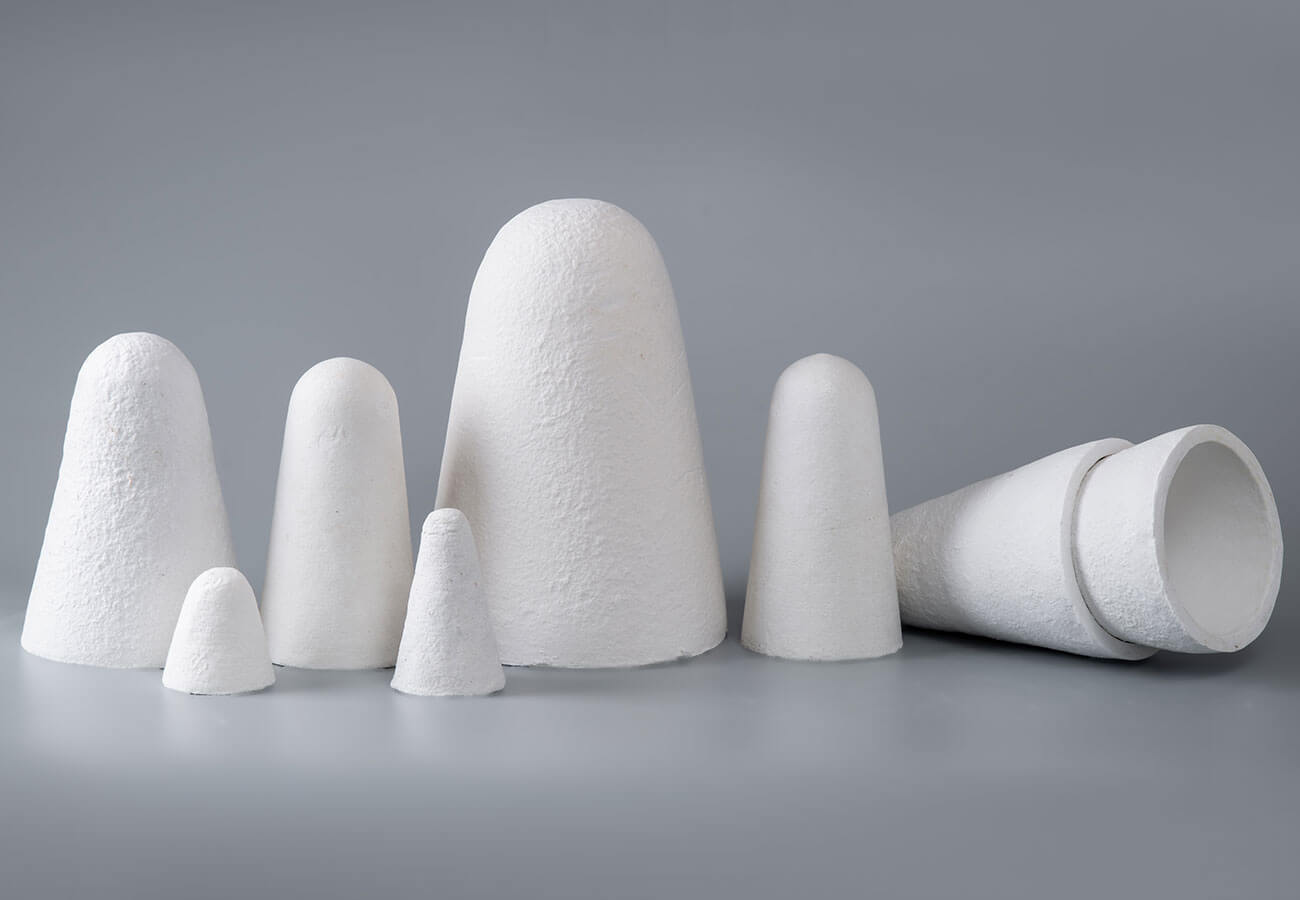
The tap out cone is a crucial component used in the aluminum smelting process. It is specifically designed to control the flow of molten aluminum during casting. It features a tapered shape that allows for controlled pouring and tapping of the molten aluminum. It effectively regulates the flow rate and direction, ensuring a smooth and precise casting process.
Graphite Rotor
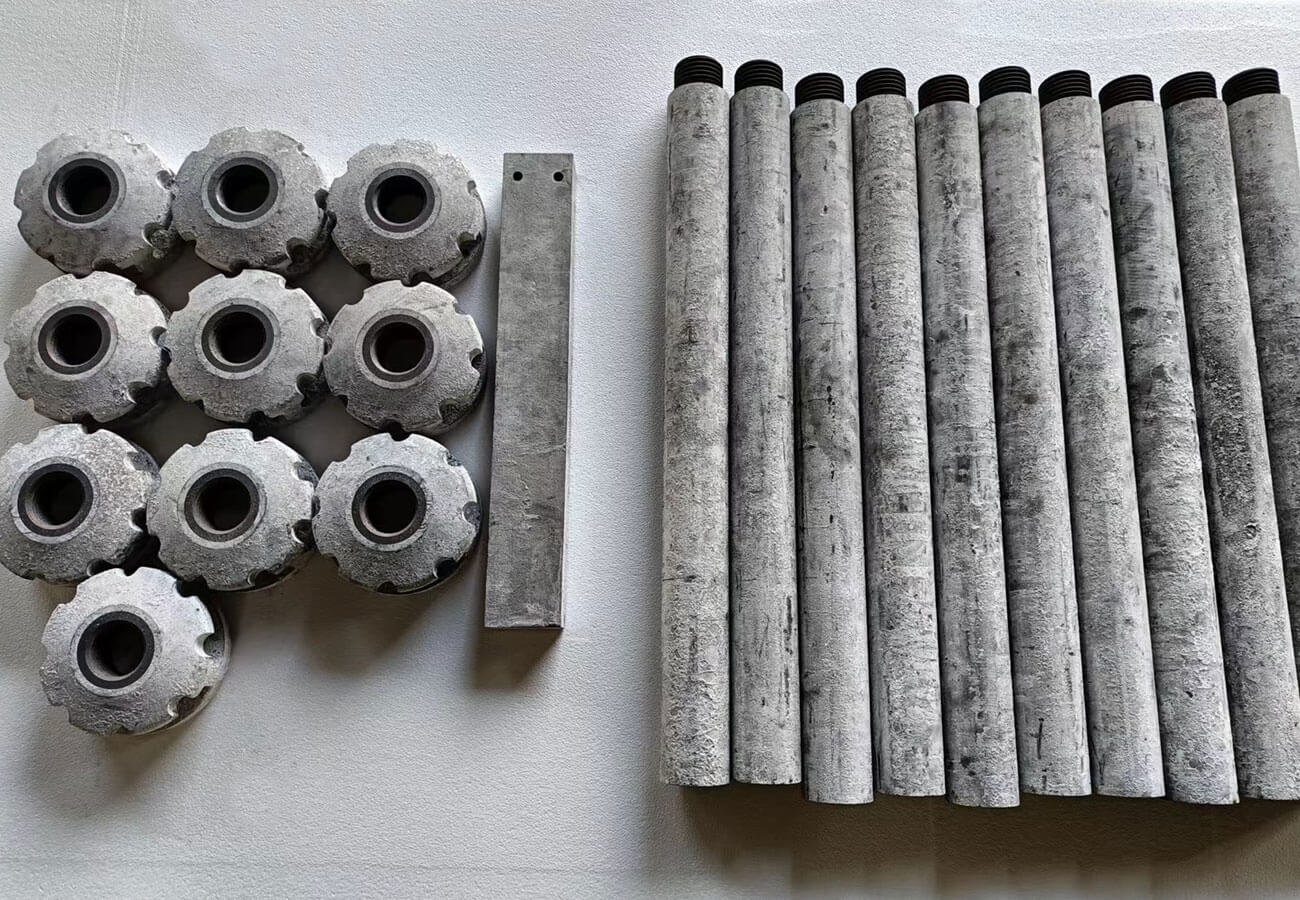
The antioxidant graphite rotor is a critical component used in the process of aluminum alloy smelting. It plays a crucial role in the removal of impurities from the metal during the purification process. The features high corrosion resistance. It efficiently purifies the metal through a vortex flow, resulting in high-quality output. Experience the benefits of our durable and efficient graphite rotors for aluminum alloy smelting. Contact us today for more information or a quote.
Auto Ladle
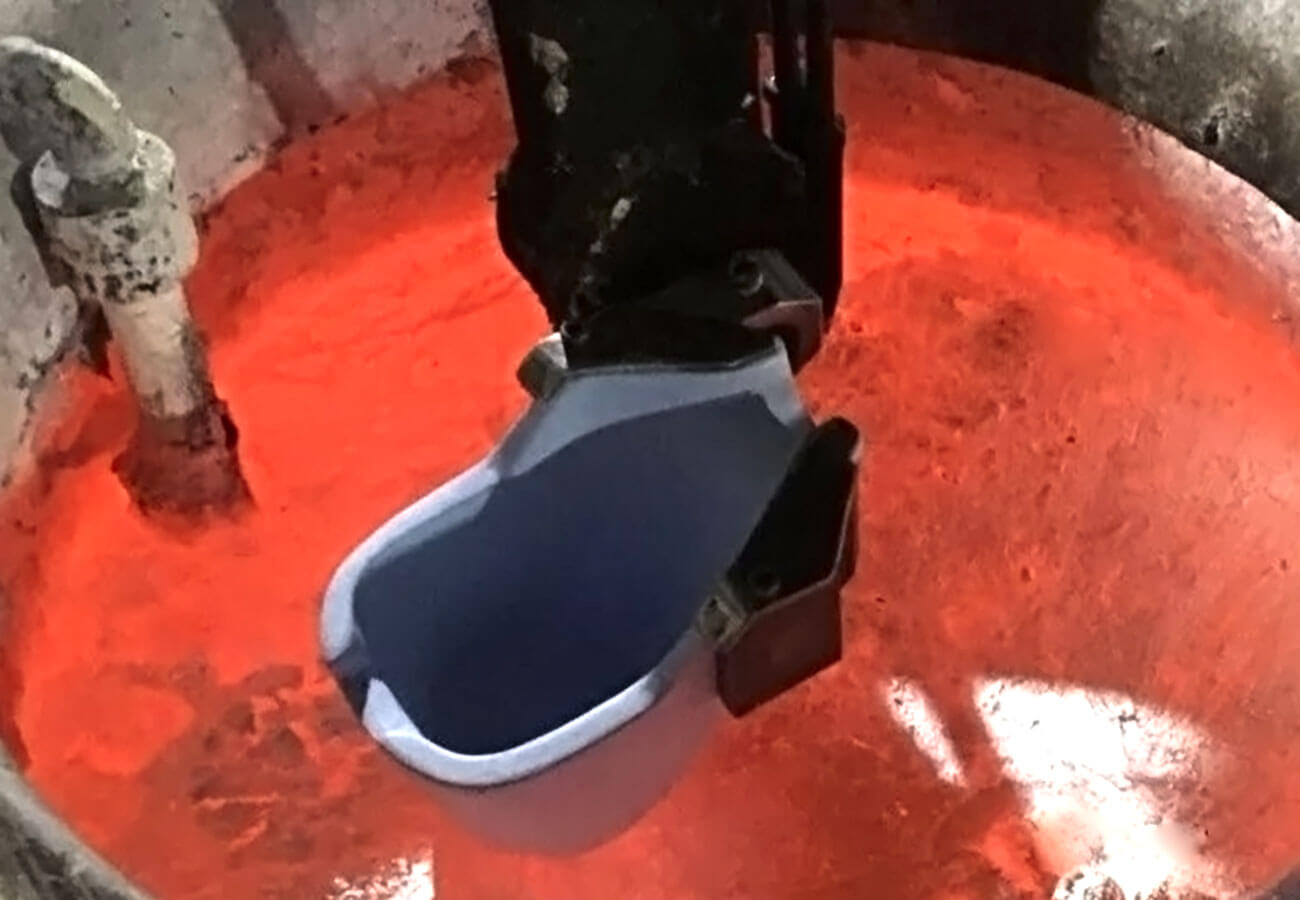
Auto Pouring Ladles revolutionize the aluminum casting process by offering automated and precise transfer of molten metal. The ladles improve casting efficiency, minimize defects, and enhance product quality, resulting in higher yields and superior finished products. Upgrade your aluminum casting process with Auto Pouring Ladles and experience enhanced efficiency and quality.
For general-purpose aluminum casting, 20 PPI alumina ceramic foam filters are the standard recommendation—they capture inclusions in the 100–200 micron range while maintaining adequate flow for most gravity and low-pressure casting setups. For large castings with thick sections, 10 PPI provides higher flow capacity. For thin-wall or precision castings where surface finish is critical, 30 PPI offers finer filtration at the cost of higher flow restriction and the need for higher pouring temperatures (720–760°C).
Alumina (Al₂O₃) filters are the primary choice for aluminum and aluminum alloy casting. They offer excellent chemical resistance to molten aluminum and match the chemistry of typical oxide inclusions found in aluminum melts. Maximum service temperature is approximately 1100°C, well above aluminum pouring temperatures of 680–800°C. Silicon carbide (SiC) filters are engineered for cast iron and copper alloys, with higher temperature resistance (up to 1500°C) but a tendency to react slowly with molten aluminum at casting temperatures. For most aluminum foundry applications, alumina filters are the correct specification–.
Preheat the filter to 300–400°C before pouring. This prevents thermal shock cracking when molten aluminum (680–800°C) contacts the filter. Install the filter in the gating system or filter box with proper sealing around the edges to prevent metal bypass. The filter cross-sectional area should be 2–4 times the runner area to compensate for flow resistance. Place the filter as close to the ingate as practical for maximum filtration effectiveness.