


An automatic pouring ladle plays an important role in transferring molten aluminum in automated foundry production. Its condition can affect pouring consistency, equipment operation, maintenance requirements, and production continuity.
However, there is no single replacement interval that applies to every aluminum pouring ladle. Service life depends on the ladle design, material, coating condition, operating temperature, pouring frequency, and maintenance practices.
For foundries using ceramic-fiber composite automatic pouring ladles, regular inspection can help identify changes that need attention before they interrupt production.
In this article, we explain what to check, which warning signs deserve further investigation, and what information to prepare when requesting a replacement ladle.

Check for Cracks, Chips, or Visible Damage
Visible damage is one of the first things to check during a ladle inspection.
Look for:
- Cracks or fractures in the ladle body
- Chipped or damaged edges
- Localized surface deterioration
- Changes in the pouring lip or other critical areas
- Damage around mounting or connection points
Not every surface mark means that the ladle must be replaced. The significance of the damage depends on its location, extent, and the manufacturer’s acceptance criteria.
However, cracks, loose material, or damage that may affect the ladle’s structural integrity should be evaluated before further use. Follow your site’s molten-metal safety procedures and the supplier’s inspection recommendations.
Inspect the Surface Coating
Some ceramic-fiber composite pouring ladles use a surface coating designed to reduce the wetting and adhesion of molten aluminum.
During inspection, look for noticeable peeling, flaking, uneven wear, or exposed areas that differ from the original surface condition.
Coating deterioration may affect how aluminum interacts with the ladle surface. However, appearance alone cannot determine whether the coating remains functional or whether the ladle must be replaced.
Ask the supplier whether the affected area can be assessed or repaired, or whether replacement is recommended for your particular design.
Watch for Increasing Aluminum Build-Up
Aluminum residue or accumulated material on the ladle surface can be a reason to investigate operating conditions and ladle condition.
Check whether you have noticed:
- More frequent aluminum build-up than before
- Increasing cleaning requirements
- Changes in the effective pouring volume
- Residue around the pouring lip
- Irregularities during aluminum discharge
These symptoms do not automatically mean the ladle has reached the end of its service life. Coating condition, operating practices, metal handling, and cleaning procedures may also contribute.
If the problem continues after the relevant process conditions have been reviewed, discuss the ladle’s condition with your supplier.
Investigate Changes in Pouring Performance
A change in pouring performance should be investigated rather than attributed to the ladle immediately.
For example, operators may notice inconsistent discharge, an unexpected change in pouring behavior, or difficulty maintaining the established pouring process.
Possible factors include:
- Changes in the ladle’s internal condition
- Residue affecting the pouring area
- Changes in the mounting position or connection
- Robot or automatic pouring equipment settings
- Changes in the production process
Check the complete pouring system before deciding that the ladle needs replacement. If the equipment and process remain within their normal operating parameters but the problem persists, a ladle inspection may be necessary.
Check the Mounting and Connection Areas
Automatic pouring ladles must fit the relevant robot arm, automatic pouring machine, or handling mechanism.
During inspection, check for visible damage around the mounting points, loose fasteners, changes in alignment, and any movement that should not occur during normal operation.
Also review whether the ladle remains correctly positioned relative to the equipment and pouring station.
Do not continue operating a ladle if its attachment or structural integrity is in doubt. Have the equipment inspected according to your site’s safety procedures.
When ordering a replacement, confirm the mounting dimensions and connection design rather than relying only on the nominal ladle capacity.
Review the Operating Conditions and Maintenance History
A ladle’s condition should be assessed in the context of how it is used.
Useful records include:
- Actual molten aluminum temperature
- Pouring frequency and operating hours
- Casting process and production cycle
- Cleaning and maintenance history
- Coating condition over time
- Previous repairs or abnormal events
- The date of installation and any recorded inspections
These records can help distinguish normal wear from problems associated with process changes or maintenance practices.
Avoid relying on a fixed number of pours as the sole replacement criterion unless that limit has been established for your specific ladle design and operating conditions.
When Should You Request a Replacement?
Consider requesting a technical assessment when:
- Cracks or structural damage are observed.
- The coating has deteriorated noticeably.
- Aluminum build-up has increased and the cause remains unclear.
- Pouring behavior has changed without an identified process-related explanation.
- The mounting or connection area may be damaged.
- The supplier’s inspection criteria indicate that the ladle has reached its allowable service limit.
These are reasons to investigate, not universal replacement rules. The final decision should follow the ladle manufacturer’s recommendations and your foundry’s safety procedures.
If the ladle may be unsafe to operate, remove it from service according to your site’s procedures until it has been assessed.
What Information Should You Send When Ordering a Replacement Ladle?
Providing accurate information can help a supplier assess whether a replacement should match the existing design or require modifications.
| Information | What to provide |
|---|---|
| Existing ladle | Photos from several angles |
| Main dimensions | Length, width, height, and other critical dimensions |
| Capacity | Required capacity or pouring weight per cycle |
| Equipment | Automatic pouring machine or robot model, if available |
| Mounting | Bracket dimensions, connection details, or drawings |
| Casting process | Die casting, gravity casting, sand casting, or another process |
| Operating conditions | Actual molten aluminum temperature and pouring frequency |
| Current problem | Photos and a description of damage or performance changes |
| Quantity | Required replacement quantity |
If a technical drawing is unavailable, start with clear photos and the main dimensions. The supplier can then advise which additional measurements or equipment details are needed.
Automatic Aluminum Pouring Ladles from SF-Foundry
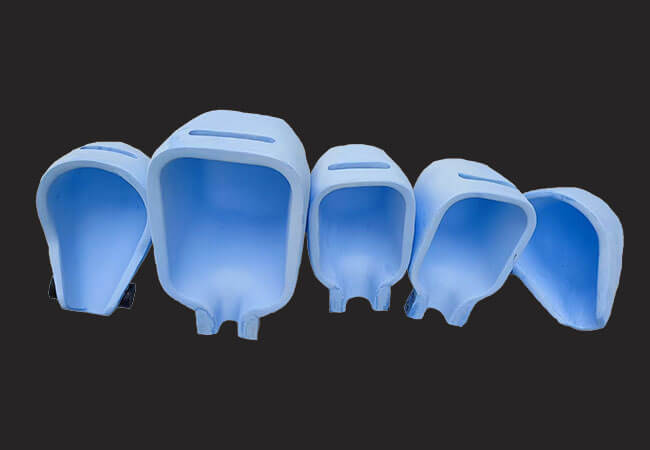
SF-Foundry supplies ceramic-fiber composite automatic pouring ladles for aluminum and aluminum alloy casting applications. Customization options include ladle capacity and mounting bracket configuration, subject to the requirements of the specific equipment and process.
When evaluating a replacement, it is important to consider more than capacity alone. Material, surface condition, mounting compatibility, pouring geometry, and operating conditions all need to be considered.
If you are experiencing ladle damage, aluminum build-up, or changes in pouring performance, send us photos of your existing ladle, its main dimensions, and a description of the operating problem.
Our team can review your requirements and discuss a suitable replacement or customized design.
Request a Quote
Website: https://sf-foundry.com/auto-pour-ladle/
Email: info@sf-foundry.com
Frequently Asked Questions
How often should an automatic aluminum pouring ladle be replaced?
There is no universal replacement interval. The appropriate interval depends on the specific ladle design, operating conditions, maintenance practices, and the manufacturer’s inspection criteria.
Can a damaged pouring ladle be repaired?
That depends on the material, damage location, and manufacturer’s recommendations. Do not assume that cracks, structural damage, or coating deterioration can be repaired safely. Request a technical assessment before reuse.
Does aluminum build-up mean that the ladle must be replaced?
Not necessarily. First investigate coating condition, cleaning practices, and operating conditions. If the problem persists, ask the supplier to assess the ladle.
What should I send when requesting a replacement ladle?
Provide photos, main dimensions, required capacity, mounting details, equipment information, operating conditions, and a description of the problem. A drawing is helpful but not always essential for the initial discussion.
Can SF-Foundry customize an automatic pouring ladle?
SF-Foundry offers customization options such as capacity and bracket configuration. Final suitability depends on the equipment interface, pouring requirements, and operating conditions, which should be confirmed before production.