


Accurate temperature measurement is important in aluminum casting and molten aluminum handling processes. A thermocouple can provide temperature information, but the thermocouple itself may need protection from the surrounding operating environment.
A thermocouple protection tube can helpf separate the thermocouple from direct exposure to the process environment while allowing temperature measurement to be carried out at the required location.
However, choosing a suitable protection tube is not simply a matter of selecting a tube with the correct length. Material, dimensions, installation method, operating temperature, thermal cycling, and the actual application all need to be considered together.
This guide explains the main factors to consider when selecting a thermocouple protection tube for aluminum casting applications.
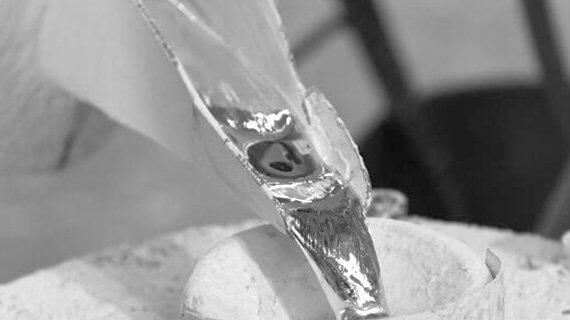
What Is a Thermocouple Protection Tube?
A thermocouple protection tube is a protective component used around or in conjunction with a thermocouple in high-temperature applications.
Its purpose and design depend on the equipment and temperature-measurement method.
In aluminum casting environments, a protection tube may be exposed to:
- High temperatures
- Repeated heating and cooling
- Molten aluminum or the surrounding furnace environment
- Mechanical contact
- Thermal cycling
- Continuous or intermittent operation
For this reason, the protection tube should be selected according to the actual application rather than by dimensions alone.
Why Is a Protection Tube Important?
A thermocouple is used to measure temperature, but the sensing element can be exposed to demanding operating conditions.
Depending on the installation, a suitable protection tube can help protect the thermocouple from the surrounding environment and provide a defined installation structure.
The appropriate design depends on factors such as:
- Where the thermocouple is installed
- What it is measuring
- Whether it contacts molten aluminum directly
- Operating temperature
- Heating and cooling cycles
- Installation method
- Required dimensions
The protection tube should therefore be considered as part of the complete temperature-measurement system.
Identify the Application First
Before choosing a protection tube, determine where and how the thermocouple will be used.
Possible applications may include:
- Aluminum melting furnaces
- Aluminum holding furnaces
- Molten aluminum temperature measurement
- Aluminum casting equipment
- High-temperature process monitoring
- Other industrial temperature-measurement systems
The required protection tube can be different depending on whether the thermocouple is measuring the furnace environment or is positioned in direct contact with molten metal.
Consider the Operating Temperature
Operating temperature is one of the first technical factors to evaluate.
The protection tube must be suitable for the actual temperature conditions of the application.
When requesting a quotation, provide the supplier with:
- Normal operating temperature
- Maximum expected temperature, if known
- Temperature fluctuations
- Heating and cooling frequency
- Continuous or intermittent operation
Do not select a protection tube based only on the maximum temperature stated in a general product description.
The complete operating cycle should also be considered.
Consider Direct Contact With Molten Aluminum
Not every thermocouple protection tube is used in direct contact with molten aluminum.
This distinction is important.
A tube installed inside a furnace environment may experience different conditions from a component that is directly exposed to molten aluminum.
If the protection tube will contact molten aluminum, provide this information when requesting a quotation.
Useful details include:
- Aluminum alloy
- Molten aluminum temperature
- Contact time
- Immersion depth, if applicable
- Frequency of immersion
- Continuous or intermittent use
These details can help determine whether the proposed material and design are appropriate for the application.

Material Selection
Ceramic materials are commonly considered for various high-temperature protection applications because different ceramics provide different combinations of thermal and mechanical properties.
However, there is no single ceramic material that should automatically be specified for every aluminum casting application.
Material selection should take into account:
- Operating temperature
- Thermal cycling
- Mechanical requirements
- Molten metal contact
- Installation conditions
- Expected operating environment
If you are replacing an existing protection tube, information about the original material can also be useful.
Where the original material is unknown, photographs, dimensions, application details, and operating conditions can help a supplier evaluate the requirement.
Consider Thermal Cycling
Thermocouple protection tubes used in aluminum casting may experience repeated temperature changes.
For example:
Cold start → heating → operating temperature → cooling → reheating
Repeated thermal cycling can place additional demands on a ceramic component.
Therefore, when selecting a protection tube, consider not only the working temperature but also:
- Heating rate
- Cooling rate
- Number of operating cycles
- Frequency of replacement
- Whether the component is continuously installed
A tube used continuously in a furnace may have different requirements from one repeatedly inserted and removed from molten aluminum.
Check the Tube Dimensions
Dimensions need to match the thermocouple and equipment.
Depending on the design, important dimensions may include:
- Outside diameter
- Inside diameter
- Overall length
- Wall thickness
- Insertion length
- Connection dimensions
- Mounting dimensions
- End configuration
If you are replacing an existing component, it is useful to provide the original drawing.
If no drawing is available, photographs and measurements can provide a useful starting point.
Consider the Installation Method
The installation method can have a significant effect on the required protection tube design.
Before ordering, check:
- How the tube is installed
- How the thermocouple is positioned
- Whether the tube is fixed or removable
- How the component is connected to the equipment
- Available installation space
- Required insertion depth
- Whether a special end configuration is required
A protection tube with the correct material may still be unsuitable if its dimensions or connection configuration do not match the equipment.
Continuous or Intermittent Use?
Another important consideration is how the component will be used.
Continuous Use
For a protection tube that remains installed during extended production periods, factors such as continuous temperature exposure and thermal cycling should be considered.
Intermittent Use
For a component that is inserted, removed, heated, and cooled repeatedly, thermal cycling and mechanical handling may become particularly important.
When contacting a supplier, explain how frequently the thermocouple protection tube is used and replaced.
When Should a Thermocouple Protection Tube Be Replaced?
Replacement may be necessary when the existing component shows signs of:
- Cracking
- Mechanical damage
- Excessive wear
- Surface deterioration
- Dimensional changes
- Contamination or buildup
- Unstable installation
The exact replacement interval depends on the application and operating conditions.
Instead of replacing a component based only on a fixed time period, it can be useful to inspect the actual condition of the protection tube and monitor its performance.
What Information Should You Send to a Supplier?
If you need a customized thermocouple protection tube, providing complete information can make the quotation process much easier.
Product Information
Provide:
- Current product name
- Drawing
- Material, if known
- Outside diameter
- Inside diameter
- Length
- Wall thickness
- Connection dimensions
Application Information
Provide:
- Equipment type
- Installation position
- Whether the tube contacts molten aluminum
- Aluminum alloy
- Working temperature
- Operating cycle
Purchasing Information
Also provide:
- Required quantity
- Target delivery schedule
- Existing supplier specifications
- Photos of the existing component
If you do not have a complete technical drawing, send whatever information is available first.
Customized Thermocouple Protection Tubes
Standard dimensions may not always match existing aluminum casting equipment.
For replacement or equipment-specific applications, customized ceramic protection tubes may be considered according to:
- Technical drawings
- Existing component dimensions
- Equipment requirements
- Installation conditions
- Operating temperature
- Application requirements
A customized component can be evaluated for both new equipment and replacement applications.
How to Choose the Right Thermocouple Protection Tube
Before ordering, ask the following questions:
1. Where will the thermocouple be installed?
Determine whether it is installed in a furnace, holding system, casting equipment, or another location.
2. Does the protection tube contact molten aluminum directly?
Direct contact and indirect exposure can involve different operating conditions.
3. What is the actual operating temperature?
Provide normal operating conditions as well as maximum expected temperature when available.
4. How often does the component experience thermal cycling?
Repeated heating and cooling should be considered when evaluating the component.
5. What dimensions are required?
Provide the complete dimensions rather than only the outside diameter or length.
6. Is the component standard or customized?
If it is a replacement component, a drawing or photograph of the existing part can be very useful.
Thermocouple Protection Tube Supplier for Aluminum Casting
SF-Foundry supplies ceramic components for selected aluminum casting and high-temperature applications.
For thermocouple protection tube requirements, we can evaluate customer specifications based on the application, dimensions, equipment, and operating conditions.
If you are replacing an existing protection tube, you can send us the drawing, dimensions, photographs, or equipment information for an initial evaluation.
Request a Quote
Looking for a thermocouple protection tube for aluminum casting or molten aluminum temperature measurement?
Please send us:
- Technical drawing or dimensions
- Application information
- Equipment information
- Working temperature
- Whether the tube contacts molten aluminum
- Required quantity
- Photos of the existing component, if applicable
SF-Foundry can review your requirements and confirm the available manufacturing options for your application.
Contact us for a customized thermocouple protection tube quotation.