


When it comes to gating systems, most foundries have relied on ceramic runners for decades. They’re familiar, they work, and they get the job done. But familiar doesn’t always mean optimal—especially when your bottom line is on the line. Paper sprue tubes have emerged as a viable alternative, and foundries around the world are making the switch. Here are 7 key differences between paper and ceramic sprue tubes—and what each one means for your profitability.
1. Weight: A Fraction of the Load
The difference: A paper sprue tube weighs approximately 1/10 of a ceramic tube of the same specification. In some cases, advanced paper runners weigh as little as 1/16 of their ceramic counterparts.
What this means for your bottom line: Lighter components mean lower shipping costs, easier handling, and significantly reduced labor intensity. One foundry reported that replacing ceramic tubes with paper tubes reduced the labor required for sprue assembly from 2–3 people to just 1 person. The same source noted that the cutting and binding time for the same pattern could be saved by 2/3. When your workforce can do more with less effort, your labor costs decrease and your throughput increases.
2. Cutting and Preparation: Knife vs. Grinder
The difference: Paper sprue tubes can be cut with a standard utility knife. Ceramic tubes require special cutting machines, which generate noise, dust, and significant labor.
What this means for your bottom line: The time saved on preparation is substantial. There’s no need for expensive cutting equipment, no dust suppression systems to maintain, and no safety hazards from flying ceramic fragments. Your pattern-makers can modify tube lengths on the spot, reducing setup time and improving flexibility in production scheduling.
3. Installation: Socket Connections vs. Fragile Fittings
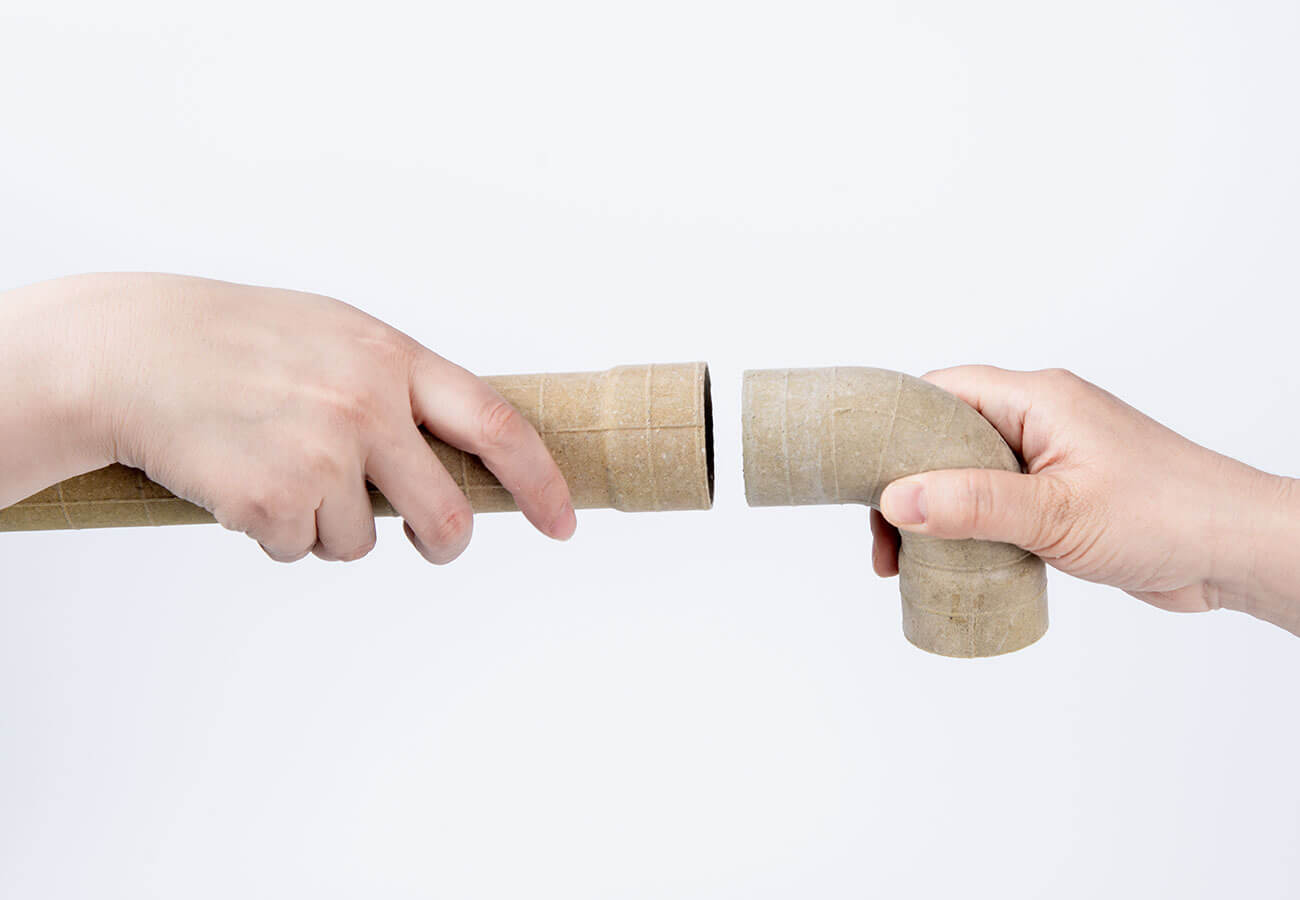
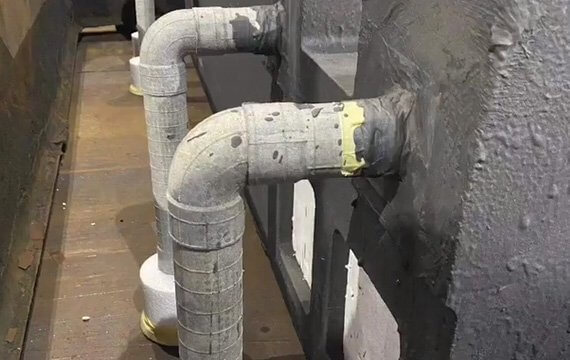
The difference: Paper sprue tubes use socket connections that are tight and leak-proof, preventing metal leakage during the casting process. They are also easy to connect with foam plastic runners in lost foam casting applications.
What this means for your bottom line: Leakage means scrap. Scrap means rework. Rework means cost. The reliable sealing of paper tubes reduces the risk of runouts—one of the most expensive failures in casting. Additionally, the ease of connection reduces assembly time and the need for specialized labor. Paper tubes also have good toughness at room temperature and are not easily damaged during installation–, unlike ceramic tubes which can chip or crack during handling.
4. Thermal Performance: Insulation vs. Heat Sink
The difference: Paper sprue tubes have good thermal insulation performance, reducing heat transfer from the molten metal to the tube wall. This keeps the molten metal at a higher temperature as it enters the mold, promoting faster and smoother filling. Ceramic tubes, being denser, tend to conduct more heat away from the metal.
What this means for your bottom line: Better thermal retention means your molten metal maintains its temperature longer, giving it sufficient time to fill intricate mold cavities and replenish as it solidifies. This translates to fewer cold shuts, better feeding, and ultimately lower scrap rates. One study specifically noted that paper runner pipes offer “superior thermal shock resistance” and “high temperature metal liquid erosion resistance”—critical properties when dealing with iron at approximately 1,400°C.
5. Post-Casting Cleanup: Minimal Residue vs. Hard Waste
The difference: After pouring, paper sprue tubes leave little hard solid waste that is easy to peel off. The paper material carbonizes during the casting process, breaking down into a fragile carbon skeleton that is simple to remove. Ceramic tubes, on the other hand, remain as hard, solid waste that must be broken up, removed, and disposed of.
What this means for your bottom line: Cleanup time is a direct cost. Faster knockout and cleaning means faster mold turnaround and higher productivity. The reduction in hard waste also means less wear and tear on your sand reclamation equipment—ceramic fragments can contaminate molding sand, requiring additional screening or disposal. Paper tube residue, by contrast, is far easier on your equipment.
6. Environmental Impact & Waste Reduction
The difference: This is where paper truly shines. Paper sprue tubes are made from recycled waste paper and are biodegradable. The production process has no high-temperature kiln emissions. Ceramic tubes require energy-intensive mineral sintering.
Quantified impact:
-
Paper runners can reduce waste after casting by up to 94%
-
They reduce CO₂ emissions by approximately 70%
-
They generate 90% less waste compared to traditional ceramic pipes
What this means for your bottom line: Environmental regulations are tightening worldwide, particularly in the EU and North America. Foundries face increasing pressure—and costs—to manage waste and reduce carbon footprints. Paper sprue tubes help you stay ahead of regulations, reduce waste disposal costs, and position your foundry as a sustainable supplier. This isn’t just good for the planet; it’s increasingly a competitive differentiator when bidding for contracts with environmentally conscious customers.
7. Casting Quality: No Sticking Sand, No Carburization
The difference: Paper sprue tubes are non-sticking—they don’t adhere to the casting, and they don’t contaminate the metal. They have no carburization effect on the casting, maintaining the original performance of the molten metal. Ceramic tubes, while reliable, can sometimes contribute to sand sticking or inclusion defects.
What this means for your bottom line: Defects cost money—sometimes a lot of money. By reducing or eliminating sand sticking, slag inclusion, and carburization issues, paper tubes help lower your casting scrap rate. Higher quality castings mean fewer returns from customers, less rework, and a stronger reputation for quality. As one academic paper put it: paper runner pipes “not only improves casting quality, but also selects renewable resources and reduces environmental pollution”.
The Bottom Line
| Factor | Paper Sprue Tube | Ceramic Sprue Tube |
|---|---|---|
| Weight | ~1/10 of ceramic | Heavy |
| Cutting | Utility knife (seconds) | Special machine (dust, noise) |
| Installation | Socket connection, leak-proof | Fragile, risk of chipping |
| Thermal insulation | Excellent | Poorer (heat sink) |
| Cleanup | Minimal, easy to peel | Hard waste, difficult removal |
| Waste reduction | Up to 94% less waste | High waste volume |
| CO₂ emissions | ~70% lower | Energy-intensive production |
| Casting quality | No sticking sand, no carburization | Potential contamination risk |
The data is clear: paper sprue tubes offer meaningful advantages in labor cost, waste disposal, energy consumption, and casting quality. While ceramic tubes remain a viable option for some operations, the cumulative effect of these seven differences can have a substantial impact on your foundry’s profitability.
The question isn’t whether paper sprue tubes work—the evidence says they do. The question is: can your foundry afford not to consider them?