


When ordering alumina ceramic foam filters for aluminum casting, confirming the correct dimensions is essential. A filter must fit the intended installation while meeting the requirements of the filtration process.
If you are replacing an existing filter, copying its nominal size may seem straightforward. However, differences in measurement methods, filter-box dimensions, sealing arrangements, or thickness can affect whether the replacement fits correctly.
This guide explains how to confirm the dimensions and thickness of an alumina ceramic foam filter before placing an order.
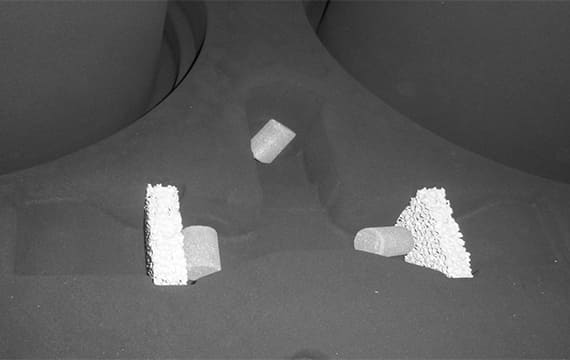
Measure the Filter’s Actual Length and Width
Start by measuring the existing filter or the available space in the filter holder.
For a square or rectangular filter plate, record:
- Length
- Width
- Thickness
- Shape and corner configuration
- Any specified dimensional tolerance
Use consistent units, such as millimeters or inches, and identify the unit clearly on your drawing or inquiry.
If the filter has already been used, check whether its edges have been damaged. Do not rely on broken or worn edges as the reference for the original dimensions.
For a new installation, provide the filter-box drawing or the confirmed dimensions of the space available for the filter.
Confirm the Required Thickness
Thickness should be specified separately from length and width.
When replacing an existing filter, measure the thickness of an unused filter of the same specification whenever possible. A used filter may have damage or deposits that make its dimensions less reliable.
If you are changing the filter thickness, first confirm that the proposed design is compatible with the filter holder, sealing arrangement, and operating requirements.
Do not assume that a thicker filter is automatically better. The suitable thickness depends on the product design and application, and its suitability should be confirmed with the supplier.
Check the Filter Box and Sealing Arrangement
Correct filter dimensions alone may not be sufficient. The filter must also fit the installation properly.
Check the following details:
- Internal dimensions of the filter holder
- Available seating depth
- Type and position of the sealing gasket, if used
- Space available for installation and removal
- Any restrictions caused by adjacent equipment
An unsuitable fit may allow molten metal to bypass the intended filtration path or may make installation difficult. The appropriate fitting and sealing arrangement should be confirmed for the specific filtration system.
If possible, send photographs of the filter box and its sealing arrangement along with the measurements.
Use a Drawing for Customized Filter Plates
A technical drawing is especially useful when ordering non-standard dimensions.
The drawing should identify the overall dimensions, thickness, shape, units, and any critical tolerances. If there are special corner cuts or other geometric features, mark them clearly.
For a replacement project, compare the drawing with the existing filter and holder before approving production.
If you do not have a formal drawing, provide measured dimensions and clear photographs. Ask the supplier whether further measurements are needed before confirming the specification.
Keep Dimensions Separate from PPI Selection
Filter dimensions and PPI describe different characteristics.
Dimensions determine the filter’s physical size and fit. PPI describes the pore density of the ceramic foam structure.
Both need to be confirmed, but one does not replace the other. A filter with the correct dimensions may still have an unsuitable pore specification for the application, while a suitable PPI does not guarantee that the filter will fit the holder.
When requesting a replacement, provide both the physical dimensions and the existing PPI specification if known.
Check the Specification Before Ordering
Before approving the quotation or production drawing, review the final specification carefully.
Confirm that it includes:
- Filter length and width
- Filter thickness
- PPI, if specified
- Shape and any special features
- Dimensional tolerances, where required
- Quantity
- Any required sealing or installation details
If the supplier proposes a substitute size or thickness, ask for clarification before accepting the change.
Do not assume that a near-match will fit properly without checking the actual installation requirements.
Request Alumina Ceramic Foam Filters in Customized Sizes
SF-Foundry offers alumina ceramic foam filters in different sizes and specifications for aluminum filtration applications.
When requesting a quotation, provide your required length, width, thickness, PPI if known, and the dimensions of the filter holder. A drawing or photographs can help clarify the required fit.
If you are replacing an existing filter, explain whether you want the same specification or are considering a change. Any proposed change should be checked against the filtration system and operating requirements before ordering.
Email: info@sf-foundry.com
Product page: https://sf-foundry.com/ceramic-foam-filter/
Frequently Asked Questions
1. Can I order an alumina ceramic foam filter in a custom size?
Customized dimensions may be available depending on the product and manufacturing requirements. Provide the required dimensions and application details so the supplier can confirm feasibility.
2. How should I measure filter thickness?
Measure an unused filter of the correct specification whenever possible. Record the value separately from length and width, and identify the unit of measurement.
3. Can I change the thickness when replacing a filter?
Do not change thickness without checking compatibility with the filter holder, sealing arrangement, and process requirements. Confirm the proposed specification with the supplier first.
4. Does PPI determine the filter’s physical dimensions?
No. PPI describes pore density, while length, width, and thickness describe the filter’s physical dimensions. Both should be specified independently.
5. What if I do not know the exact filter dimensions?
Measure the existing filter and holder, take clear photographs, and provide any available product markings or drawings. The supplier can review the information and identify what else needs to be confirmed.