


Choosing the right thermocouple tip is essential for accurate and reliable molten metal temperature measurement.
In foundries and steel plants, disposable thermocouple tips are widely used to measure the temperature of molten iron, steel, and other high-temperature metals. However, not every thermocouple tip is suitable for every application.
The correct selection depends on several factors, including the molten metal temperature, thermocouple type, response time, application environment, protective cap, and compatibility with the existing measuring system.
What Is a Thermocouple Tip?
A thermocouple tip is the disposable sensing component used to measure the temperature of molten metal.
In a typical foundry temperature measurement system, the thermocouple tip is attached to a reusable probe or lance. The tip is immersed into the molten metal for a short period, allowing the thermocouple element inside to detect the temperature.
The temperature signal is then transmitted through the probe to a measuring instrument.
After measurement, the used thermocouple tip is removed and replaced with a new one.
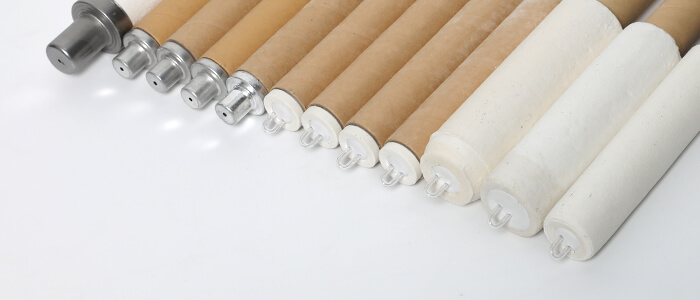
A typical molten metal temperature measurement system includes:
- Disposable thermocouple tip
- Protective cap
- Contact block
- Paper or protective tube
- Probe or lance
- Temperature measuring instrument
Because the tip directly contacts the molten metal, selecting the correct specification is important for measurement accuracy and reliability.
What Should You Consider When Choosing a Thermocouple Tip?
Before selecting a thermocouple tip, foundries should consider the following key factors.
- Molten metal type
- Operating temperature range
- Thermocouple type
- Response time
- Protective cap material
- Tip size and design
- Compatibility with existing equipment
- Application environment
The best thermocouple tip is not necessarily the one with the highest temperature rating. It should match the actual measurement conditions.
Identify the Type of Molten Metal
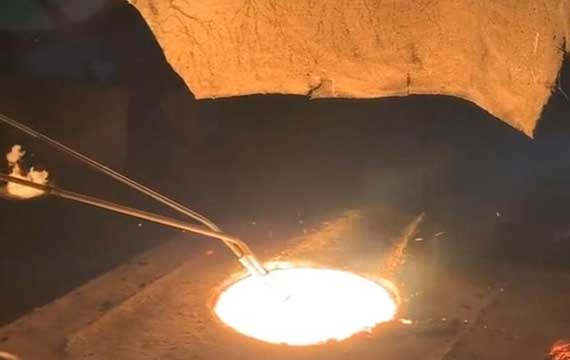
The first step is to identify the metal being measured.
Common applications include:
- Gray iron
- Ductile iron
- Cast iron
- Carbon steel
- Alloy steel
- Stainless steel
- Copper alloys
 Other molten metals
Different metals operate at different temperature ranges and may require different thermocouple configurations.
For example, a thermocouple tip used for molten iron may not require exactly the same specification as one used for high-temperature molten steel.
Before contacting a supplier, it is helpful to provide the following information:
- Metal type
- Normal operating temperature
- Maximum temperature
- Measurement location
- Frequency of measurement
Check the Required Temperature Range
The expected molten metal temperature is one of the most important selection factors.
Thermocouple tips should be selected according to the actual working temperature rather than simply choosing the highest available temperature rating.
Typical molten metal applications may include:
| Application | Typical Temperature Range* |
|---|---|
| Gray Iron | Approx. 1,350–1,500°C |
| Ductile Iron | Approx. 1,350–1,500°C |
| Carbon Steel | Approx. 1,500–1,650°C |
| Alloy Steel | Depends on alloy and process |
*Actual operating temperatures vary depending on alloy composition, foundry process, casting requirements, and pouring conditions.
The thermocouple tip should provide stable performance within the normal operating temperature range of the application.
Choose the Correct Thermocouple Type
For high-temperature molten metal applications, common thermocouple types include:
- S Type
- R Type
- B Type
Each type is designed for different temperature conditions and industrial applications.
S Type Thermocouple Tip
S Type thermocouple tips are commonly used for high-temperature measurement in foundries.
Typical applications include:
- Molten iron
- Cast iron
- Ductile iron
- Steel foundries
- General high-temperature measurement
S Type is widely used because of its stable performance in high-temperature industrial applications.
R Type Thermocouple Tip
R Type thermocouple tips are also used for high-temperature molten metal measurement.
They may be selected when the foundry requires a specific temperature range or measurement performance compatible with its existing process and equipment.
B Type Thermocouple Tip
B Type thermocouple tips are generally selected for very high-temperature applications.
They are commonly associated with demanding steelmaking and other extreme-temperature processes.
The correct choice should always be based on actual operating conditions.
For a detailed comparison, see:
S Type vs. R Type vs. B Type Thermocouple: Which One Should You Choose?
Consider Thermocouple Response Time
In foundry production, operators often need temperature data quickly.
The response time of a thermocouple tip can affect:
- Production efficiency
- Furnace operation
- Tapping decisions
- Metal treatment
- Pouring control
A fast-response thermocouple tip helps operators obtain a stable temperature reading within a short measurement period.
However, faster response should not be considered independently from accuracy and reliability.
The best selection should balance:
Response Time + Measurement Stability + Process Requirements
When purchasing thermocouple tips, ask the supplier about the typical response performance under your actual application conditions.
Choose a Suitable Protective Cap
The protective cap is an important component of a disposable thermocouple tip.
It helps protect the sensing area during immersion and can influence the performance of the measurement system.
Different protective cap materials may be available for different molten metal applications.
Depending on the product design, common options may include:
- Aluminum cap
- Steel or iron cap
- Copper cap
- Other application-specific materials
The correct cap should be selected according to:
- Molten metal type
- Temperature
- Slag conditions
- Immersion method
- Required response characteristics
For example, a protective cap suitable for one metal may not be the best choice for another application.
When in doubt, provide the application details to the thermocouple supplier for recommendation.
Check Compatibility With Your Existing Measuring System
This is one of the most important points for buyers.
A thermocouple tip must be compatible with the existing:
- Temperature measuring instrument
- Probe or lance
- Contact block
- Connection system
Different manufacturers may use different designs or connection configurations.
Before placing an order, confirm:
Thermocouple Type
For example:
- S Type
- R Type
- B Type
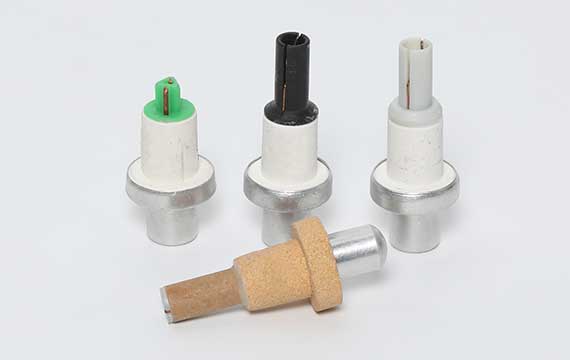
Tip Shape and Size
Confirm the required dimensions and design.
Contact Configuration
Check whether the thermocouple tip matches the contact block and probe.
Instrument Compatibility
Ensure the temperature instrument can correctly receive and interpret the thermocouple signal.
For replacement or bulk orders, providing the existing thermocouple tip model or a product photo can help the supplier confirm compatibility.
Consider the Measurement Location
Where the temperature is measured can affect the thermocouple tip selection.
Common measurement locations include:
Furnace
Measurements may be taken from:
- Induction furnaces
- Electric arc furnaces
- Cupola furnaces
- Refining furnaces
The probe length and measurement environment should be considered.
Ladle
Ladle temperature measurement is common after tapping and before pouring.
The thermocouple system should be suitable for repeated immersion and practical operation around the ladle.
Tundish
In steelmaking, temperature measurement may be required in tundish operations.
The thermocouple type and protective design should be selected according to the high-temperature operating environment.
Consider Measurement Frequency
The number of temperature measurements performed each day can also affect product selection.
For foundries with frequent measurements, important considerations include:
- Consistent product quality
- Stable response performance
- Easy replacement
- Reliable supply
- Bulk packaging
- Cost per measurement
Disposable thermocouple tips are consumable products, so stable supply and consistent specifications are particularly important for continuous production.
For high-volume users, working with a reliable thermocouple tip supplier can help maintain consistent measurement conditions.
Common Thermocouple Tip Selection Mistakes
When selecting thermocouple tips, some buyers focus only on price or temperature rating.
However, several other factors can affect performance.
Choosing Only Based on Price
A lower-cost thermocouple tip may not provide the required consistency or compatibility.
The total cost should consider:
- Measurement reliability
- Product consistency
- Failed measurements
- Replacement frequency
- Production interruptions
Selecting the Wrong Thermocouple Type
Using an unsuitable S, R, or B Type configuration can result in measurement problems.
Always confirm the temperature range and measuring instrument requirements.
Ignoring Equipment Compatibility
Even a high-quality thermocouple tip may not work correctly if the connection system is incompatible with the existing probe or instrument.
Using Damaged or Poorly Stored Tips
Thermocouple tips should be stored in dry conditions and protected from:
- Moisture
- Physical damage
- Excessive pressure
- Contamination
Proper storage helps maintain product performance before use.
A Simple Checklist for Choosing a Thermocouple Tip
Before sending an inquiry to a thermocouple supplier, prepare the following information.
Molten Metal
What metal are you measuring?
- Gray iron
- Ductile iron
- Steel
- Other
Temperature Range
What is the normal and maximum operating temperature?
Thermocouple Type
Do you require:
- S Type
- R Type
- B Type
Application
Where will the measurement take place?
- Furnace
- Ladle
- Tundish
- Pouring station
Existing Equipment
What probe and temperature instrument are currently being used?
Tip Specification
If available, provide:
- Product model
- Dimensions
- Drawings
- Photos
- Existing supplier specification
Estimated Consumption
How many thermocouple tips are required per month or year?
Providing this information helps the supplier recommend a more suitable product and confirm compatibility before production.
How SF-Foundry Can Help With Thermocouple Tip Selection
For foundries and steel plants, selecting a thermocouple tip should be based on the complete measurement application rather than only the product name.
SF-Foundry supplies thermocouple tips and disposable thermocouple solutions for molten metal temperature measurement.
When evaluating a suitable product, the following information can help identify the correct specification:
- Molten metal type
- Working temperature
- Thermocouple type
- Measurement location
- Existing measuring equipment
- Required response time
- Current thermocouple tip specification
Based on these application requirements, a suitable thermocouple tip configuration can be recommended.
Frequently Asked Questions
How do I choose the right thermocouple tip?
Consider the molten metal type, operating temperature, thermocouple type, response time, protective cap, measurement location, and compatibility with your existing equipment.
Which thermocouple tip is suitable for molten iron?
S Type thermocouple tips are commonly used for molten iron applications. However, the correct choice depends on the actual temperature range and measurement system.
Which thermocouple tip is suitable for molten steel?
High-temperature thermocouple types such as S, R, or B Type may be used depending on the actual process temperature and equipment requirements.
Can I use a thermocouple tip from another supplier?
Compatibility should always be confirmed before using replacement thermocouple tips. The thermocouple type, dimensions, contact configuration, and instrument compatibility should match the existing measuring system.
How should thermocouple tips be stored?
Thermocouple tips should generally be stored in a dry, protected environment to prevent moisture, physical damage, and contamination before use.
Conclusion
Choosing the right thermocouple tip is essential for reliable molten metal temperature measurement.
The selection should not be based on price alone. Foundries should consider:
- Molten metal type
- Operating temperature
- Thermocouple type
- Response time
- Protective cap
- Measurement location
- Equipment compatibility
- Measurement frequency
A correctly selected thermocouple tip can help improve the consistency and reliability of temperature measurement throughout the melting and casting process.
SF-Foundry supplies disposable thermocouple tips for molten metal temperature measurement, including solutions for iron foundries and steelmaking applications.
To help identify a suitable thermocouple tip, provide your molten metal type, temperature range, thermocouple type, and existing measuring equipment specifications to SF-Foundry.
Looking for compatible thermocouple tips for your foundry? Contact SF-Foundry to discuss your temperature measurement application.
Email: info@sf-foundry.com
WhatsApp: +8618636913699