


Accurate temperature measurement is essential in iron casting. From melting and treatment to pouring, molten iron temperature directly affects metal fluidity, mold filling, solidification, casting defects, and final product quality.
A thermocouple for molten iron is a high-temperature measurement device designed to quickly measure the temperature of liquid iron in furnaces, ladles, and other foundry processes.
In modern iron foundries, disposable or expendable immersion thermocouples are widely used because they provide fast and practical temperature measurement under demanding production conditions.
What Is a Thermocouple for Molten Iron?
A thermocouple for molten iron is a temperature sensor designed to measure the temperature of liquid iron during melting, treatment, transfer, and pouring.
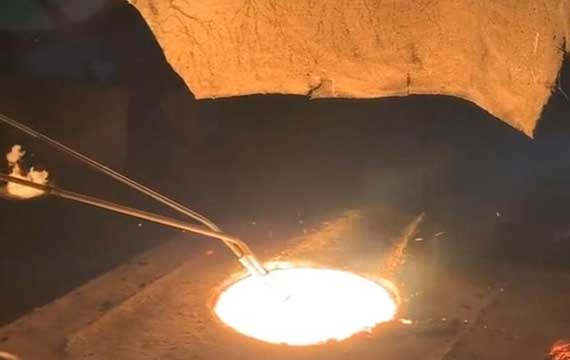
The most common system used in foundries consists of:
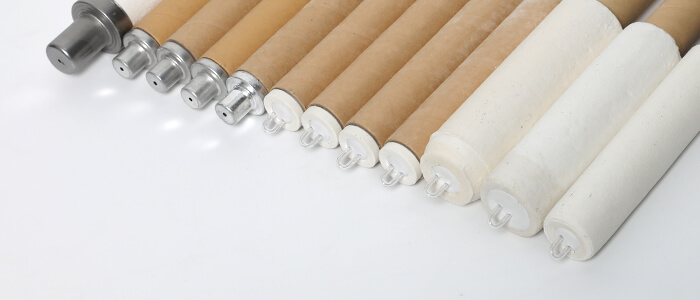
- A disposable thermocouple tip
- A reusable probe or lance
- A contact block or connector
- A temperature measuring instrument
During measurement, the thermocouple tip is immersed into the molten iron. The sensing element quickly detects the temperature and sends an electrical signal to the measuring instrument.
After the measurement is completed, the disposable tip is removed and replaced with a new one.
This system allows foundries to perform repeated temperature measurements without exposing reusable sensors directly to prolonged contact with molten metal.
Why Is Molten Iron Temperature Measurement Important?
Molten iron temperature affects nearly every stage of the casting process.
If the pouring temperature is too low, molten iron may lose fluidity before the mold cavity is completely filled. This can increase the risk of:
- Misruns
- Cold shuts
- Incomplete filling
- Poor surface quality
- Premature solidification
On the other hand, excessive temperature may lead to:
- Increased oxidation
- Higher energy consumption
- Excessive heat loss from holding
- Changes in melt condition
- Increased mold and refractory stress
For this reason, foundries need reliable temperature measurement throughout the melting and pouring process.
A thermocouple provides a direct and fast method for checking molten iron temperature and supporting better process control.
What Types of Thermocouples Are Used for Molten Iron?
Different thermocouple types can be used depending on the temperature range and measurement requirements.
For high-temperature molten metal applications, the following types are commonly used.
S Type Thermocouple
The S Type thermocouple is widely used for high-temperature measurement applications.
It is suitable for many foundry processes involving molten iron and steel and is commonly used in disposable thermocouple tips.
S Type thermocouples are valued for their stability and performance in high-temperature environments.
Typical applications include:
- Gray iron foundries
- Ductile iron foundries
- Molten iron ladles
- Furnace temperature measurement
- General foundry temperature control
R Type Thermocouple
R Type thermocouples are also used for high-temperature industrial applications.
They provide reliable measurement performance and may be selected according to the specific temperature range and operating requirements.
R Type thermocouples are commonly associated with demanding foundry and steelmaking applications.
B Type Thermocouple
B Type thermocouples are designed for very high-temperature measurement.
They are generally selected for applications involving higher temperature ranges, particularly in steelmaking and other extreme-temperature processes.
For standard molten iron applications, the selection should be based on the actual process temperature rather than simply choosing the highest-temperature thermocouple type.
Which Thermocouple Type Is Best for Molten Iron?
There is no single thermocouple type that is automatically best for every iron foundry.
The selection depends on:
- Type of iron
- Actual molten metal temperature
- Measurement frequency
- Required response time
- Furnace or ladle application
- Measuring instrument compatibility
- Production environment
For many foundry applications, S Type thermocouples are widely used for molten iron temperature measurement.
However, the correct thermocouple should always be selected according to the actual operating conditions and equipment requirements.
For a detailed comparison between common high-temperature thermocouple types, see:
S Type vs. R Type vs. B Type Thermocouple: Which One Should You Choose?
Typical Temperature Range for Molten Iron
Different types of iron are processed and poured at different temperatures.
The actual temperature depends on factors such as:
- Iron composition
- Carbon and silicon content
- Casting size
- Mold design
- Wall thickness
- Pouring process
- Treatment requirements
Typical foundry processes may involve molten iron temperatures in the approximate range of:
1,300°C to 1,550°C
However, this range is only a general reference.
The correct temperature for a specific casting process should be determined according to the iron grade and foundry process requirements.
For thermocouple selection, the most important point is that the sensor and protective system must be suitable for the actual measurement temperature.
Applications of Thermocouples in Iron Foundries
Thermocouples are used at different stages of iron casting production.
1. Induction Furnace Temperature Measurement
Induction furnaces are widely used in modern iron foundries.
Temperature measurement is important before tapping because the molten iron must reach the required process condition.
A disposable immersion thermocouple allows operators to quickly check the molten metal temperature without permanently installing a sensor inside the furnace.
2. Cupola Furnace Operations
Cupola furnaces may also require molten iron temperature monitoring.
Temperature data can help operators evaluate the melt condition before the metal moves to downstream processes.
3. Ladle Temperature Measurement
After tapping, molten iron may be transferred into a ladle.
During transfer and holding, the metal gradually loses heat.
Measuring the ladle temperature helps operators determine whether the molten iron remains within the required pouring range.
4. Gray Iron Casting
Gray iron casting requires appropriate temperature control to maintain good fluidity and stable casting conditions.
Temperature measurements can be taken before pouring or at different stages of melt treatment.
Disposable thermocouples provide a practical method for repeated measurements during production.
5. Ductile Iron Casting
Ductile iron production involves additional treatment processes, including nodularization and inoculation.
Because molten metal conditions can change during treatment and holding, temperature monitoring is an important part of process control.
Accurate temperature information helps foundries manage pouring conditions and maintain consistency between production batches.
Disposable Thermocouple for Molten Iron
A disposable thermocouple is one of the most common solutions for measuring molten iron temperature.
The disposable tip is designed for single use and is connected to a reusable probe or lance.
The general measurement process is simple:
- Attach a new thermocouple tip to the probe.
- Connect the probe to the temperature measuring instrument.
- Immerse the tip into the molten iron.
- Wait for the temperature reading.
- Remove the probe after measurement.
- Replace the used thermocouple tip before the next measurement.
This approach offers several practical advantages.
Fast Measurement
Foundry operators can obtain temperature readings quickly, helping reduce unnecessary delays during production.
Convenient Replacement
The measuring tip is replaced after use while the probe and measuring equipment remain reusable.
Suitable for Repeated Measurement
Disposable thermocouple systems are practical for foundries that need to check molten metal temperature multiple times during a production shift.
Reduced Direct Exposure of Reusable Equipment
The disposable tip acts as the measurement component exposed to the molten metal, while the reusable lance remains protected from direct contact.
How to Choose the Right Thermocouple for Molten Iron
When selecting a thermocouple for molten iron measurement, several factors should be considered.
1. Iron Type
The foundry should first identify the metal being measured.
For example:
- Gray iron
- Ductile iron
- Nodular iron
- Alloy iron
Different production processes may have different temperature requirements.
2. Temperature Range
The thermocouple must be suitable for the expected molten metal temperature.
The maximum operating temperature should not be the only consideration. Stable and reliable performance within the normal working range is equally important.
3. Response Time
Foundry operations often require rapid temperature measurement.
A fast-response thermocouple can help operators obtain temperature data efficiently during tapping, treatment, and pouring operations.
4. Measurement Location
Consider where the temperature will be measured:
- Induction furnace
- Cupola furnace
- Ladle
- Pouring ladle
- Treatment station
The probe length and measurement system should be suitable for the working environment.
5. Thermocouple Tip Compatibility
The disposable tip should be compatible with:
- The measuring instrument
- Contact block
- Probe or lance
- Existing temperature measurement system
Before ordering, it is important to confirm the required thermocouple type and connection specifications.
Common Problems in Molten Iron Temperature Measurement
Even when using a suitable thermocouple, incorrect operation can affect measurement results.
Incorrect Immersion Depth
The thermocouple tip should be properly immersed in the molten metal.
Measuring too close to the surface may result in inaccurate readings due to slag, temperature variation, or surface conditions.
Slag Interference
Slag can affect the measurement process.
Operators should ensure that the thermocouple tip reaches the molten metal rather than remaining only in the slag layer.
Damaged Thermocouple Tips
Disposable thermocouple tips should be stored correctly to avoid moisture, physical damage, or contamination.
Damaged tips may produce unstable or failed readings.
Poor Electrical Connection
Loose or damaged connections between the thermocouple tip, probe, and instrument can cause:
- No reading
- Slow response
- Unstable temperature
- Incorrect results
Regular inspection of the measuring equipment can help reduce these problems.
Frequently Asked Questions
What thermocouple is used for molten iron?
High-temperature thermocouples such as S Type and other suitable configurations are commonly used for molten iron measurement. The correct selection depends on the actual temperature range and foundry process.
What is the typical temperature of molten iron?
Molten iron in foundry applications is commonly processed within approximately 1,300°C to 1,550°C, depending on the iron grade and casting process.
Can a disposable thermocouple measure molten iron?
Yes. Disposable or expendable immersion thermocouples are widely used in foundries for measuring molten iron temperature.
How fast does a molten iron thermocouple respond?
Response time depends on the thermocouple design, measurement conditions, immersion method, and temperature measuring system. Fast-response disposable thermocouples are commonly used for foundry applications.
Where should molten iron temperature be measured?
Molten iron temperature can be measured in furnaces, ladles, treatment stations, or before pouring, depending on the foundry’s process control requirements.
Conclusion
Accurate molten iron temperature measurement is an important part of modern foundry process control.
A suitable thermocouple helps operators monitor melting, tapping, treatment, ladle holding, and pouring conditions more effectively.
When choosing a thermocouple for molten iron, foundries should consider:
- Thermocouple type
- Operating temperature range
- Response time
- Iron type
- Measurement location
- Thermocouple tip compatibility
- Existing measuring equipment
For repeated high-temperature measurement, disposable thermocouple systems provide a practical solution for gray iron and ductile iron foundries.
SF-Foundry supplies disposable thermocouples and thermocouple tips for molten metal temperature measurement. Different types and specifications can be selected according to the foundry process and measurement requirements.
If you are looking for a reliable thermocouple solution for molten iron, contact SF-Foundry with your application details, temperature range, and existing measurement equipment requirements.
Email: info@sf-foundry.com
WhatsApp: 8618636913699