


I still remember the frustration of a client who faced a 20% scrap rate due to turbulent metal flow and inclusions. The solution wasn’t magic—it was a scientifically designed gating system supplemented with our SF-Foundry ceramic foam filters. That experience solidified my belief that mastering gating system fundamentals separates successful foundries from the rest.
As a technical specialist at SF-Foundry with over a decade of experience supplying foundry consumables worldwide, I’ve participated in hundreds of gating system design and troubleshooting sessions. The gating system isn’t just a channel for delivering molten metal—it’s the central nervous system of your casting process, controlling everything from metal purity to solidification patterns.
The Four Non-Negotiable Requirements of an Effective Gating System
Through years of collaboration with foundries across Europe and North America, I’ve identified four fundamental requirements that every gating system must fulfill:
1. Deliver Clean, Inclusions-Free Metal
The primary defense against casting defects begins with eliminating slag and non-metallic inclusions.
Practical Solutions We’ve Validated:
Strategic Filter Placement: Installing our SF-Foundry ceramic foam filters at the runner or ingate points captures inclusions while stabilizing metal flow. In one aluminum casting application, this simple change reduced slag-related defects by over 90%.
Whirl Gate Designs: These create centrifugal force that separates lighter slag into the center of the vortex, away from the casting cavity.
Proper Gating Ratios: Implementing a pressurized system (like 1.5:1:0.8 for sprue:runner:ingate) creates backpressure that helps float slag to the top of the runner.
From Our Experience: I’ve observed that foundries investing in quality ceramic filters typically recover their costs through reduced scrap rates alone—often within the first few production runs.
2. Fill the Mold Cavity Quietly and Completely
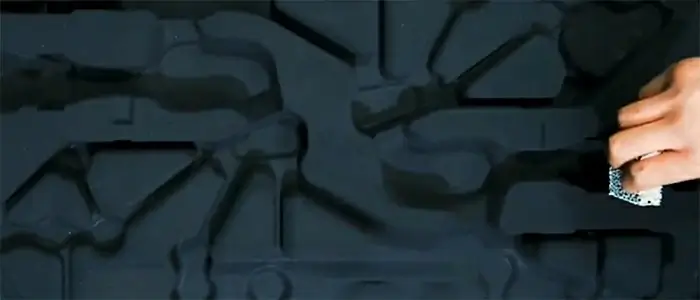
Turbulent flow isn’t just noisy—it erodes mold walls, creates inclusions, and leads to gas porosity. The goal is always laminar flow.
Key Implementation Strategies:
-
Tapered Sprue Design: Prevents aspiration and accelerates flow smoothly without entrapping gases.
-
Optimized Sprue Well Design: Properly sized sprue wells absorb the impact of falling metal, preventing turbulence at this critical transition point.
-
Ceramic Pouring Cups: Our SF-Foundry Pouring Cups maintain a constant sprue head pressure and prevent air entrainment from the very beginning of the pour.
-
Runner Geometry: Rounded corners and gradual transitions significantly reduce turbulence compared to sharp angles.
A common mistake I encounter in my consultations is oversized gating—bigger isn’t better when it comes to controlling metal flow.
3. Promote Directional Solidification
The gating system significantly influences how your casting solidifies, which directly impacts shrinkage porosity.
Critical Design Considerations:
-
Strategic Gate Placement: Position ingates at the thickest sections of the casting to ensure these areas remain molten longest.
-
Thermal Management: The system should work in concert with your feeding system (including SF-Foundry Feeder Sleeves) to create a proper temperature gradient.
-
Solidification Control: Design your gating to allow thicker sections to feed thinner areas as solidification progresses.
4. Ensure Economic Efficiency and Practicality
The most technically perfect design is useless if it’s not practical to implement and cost-effective to operate.
Balancing Performance and Economics:
-
Use ceramic runner tubes and pre-formed gating components to reduce pattern costs and ensure consistency.
-
Design for easy removal—proper gating should break off cleanly without damaging the casting.
-
Optimize metal efficiency without compromising casting quality—we’ve helped foundries reduce gating weight by 15-30% through systematic redesign.
Gating System Components and Their Critical Functions
| Component | Primary Function | SF-Foundry Solution |
|---|---|---|
| Pouring Cup | Direct metal into sprue, maintain head pressure | SF-Pouring Cups – Ceramic construction for superior thermal shock resistance |
| Sprue | Deliver metal from cope to drag | Proper taper design is critical for flow control |
| Runner | Distribute metal to multiple ingates | Ideal placement point for SF-Foam Ceramic Filters |
| Ingates | Final control point into mold cavity | Size and placement control fill rate and direction |
| Filters | Trap inclusions, stabilize flow | SF-Foam Ceramic Filters – Various pore sizes for different alloys |
Common Gating Mistakes and How to Avoid Them
Through our technical support services, we frequently identify these recurring issues:
-
The ‘Bigger is Better’ Fallacy: Oversizing gating components increases turbulence and metal waste without improving quality.
-
Filter Misplacement: Even our advanced SF-Filters won’t perform optimally if placed incorrectly in the system.
-
Inconsistent Component Quality: Variations in filter permeability or pouring cup dimensions introduce unpredictable variables into your process.
-
Neglecting the System Approach: Optimizing individual components while ignoring their interactions limits improvement potential.
The SF-Foundry Approach to Gating System Excellence
Based on our experience supplying components to foundries across multiple continents, we recommend this systematic approach:
-
Start with Proper Design – Utilize simulation software when possible, but don’t underestimate practical experience.
-
Select Quality Components – Our ceramic filters and pouring cups deliver consistent performance across casting alloys from iron to aluminum.
-
Validate and Refine – Cut apart initial castings to verify filling patterns and adjust accordingly.
-
Standardize – Once optimized, document the system for repeatable results across production runs.
The right gating system, enhanced with appropriate foam ceramic filters and feeding systems, typically pays for itself through reduced scrap rates and improved casting quality.
Looking Ahead: The Future of Gating System Technology
The gating systems we’re helping design today look quite different from those of a decade ago. We’re seeing increased integration of simulation-based design, customized filter configurations for specific alloy systems, and modular gating components that allow for rapid changeover between different casting patterns.
At SF-Foundry, we’re committed to supporting this evolution through advanced products like our next-generation ceramic filters with improved thermal stability and specialized pouring cups designed for automated pouring systems.