


In metal casting, the choice between an open riser and a blind riser is one of the most fundamental decisions in feeding system design. Both serve the same primary purpose—providing reservoirs of molten metal to compensate for solidification shrinkage—but they operate differently, offer distinct advantages, and suit different applications.
This comprehensive guide explains exactly what open and blind risers are, how they differ in function and performance, and the specific scenarios where each type excels.
Definitions: What Are Open and Blind Risers?
Open Riser
An open riser is a continuous channel in the mold that extends from the casting cavity up through the top of the cope, making it directly accessible from the atmosphere. The top end of the riser is exposed to the air, allowing foundry personnel to observe the molten metal level during and after pouring.
Open risers are also referred to as “top risers” when positioned at the highest part of the casting, where they benefit from gravity feeding and facilitate venting and slag flotation.
Blind Riser
A blind riser is completely enclosed within the mold, surrounded entirely by molding material and not initially exposed to the atmosphere. It connects to the casting through a gate or small channel, typically positioned adjacent to the hot spots requiring feeding.
Blind risers are sometimes called “closed risers” or “hidden risers”. They can be further classified as atmospheric risers (or Williams risers) when designed with a connection to the atmosphere, or pressure risers when using gas-generating materials to create internal pressure.
Core Differences at a Glance
| Feature | Open Riser | Blind Riser |
|---|---|---|
| Atmosphere Exposure | Top end exposed to atmosphere | Completely enclosed by molding material |
| Shape | Typically cylindrical | Usually round to minimize surface-to-volume ratio |
| Feeding Force | Gravity (primarily) plus atmospheric pressure until top solidifies | Atmospheric pressure (via designed connection) + gravity |
| Feeding Efficiency | Lower (15-20% typical) | Higher (25-30% more efficient than open risers) |
| Heat Loss | Higher due to radiation and convection from open top | Lower—surrounded by insulating sand |
| Size | Generally larger; height often determined by flask dimensions | Smaller and more compact; height typically 1.5-1.8× hot spot diameter |
| Molding Complexity | Easier to mold | More complex; requires atmospheric connection design |
| Removal Difficulty | More difficult due to larger size | Easier; smaller contact area |
| Placement Flexibility | Limited—generally at top of cope | Highly flexible—can be placed anywhere near hot spots |
Detailed Functional Comparison
Feeding Mechanism and Efficiency
Open Risers feed the solidifying casting primarily under the force of gravity. Atmospheric pressure also contributes until the top surface of the riser solidifies, after which gravity becomes the sole feeding force. Because the top is exposed, heat loss through radiation and air convection is significant—the molten metal surface cools quickly, reducing feeding effectiveness.
Blind Risers operate differently. Surrounded by sand on all sides, they lose heat much more slowly, keeping the metal molten longer. This slower cooling, combined with their smaller size requirement, gives blind risers feeding efficiency approximately 30% higher than open risers. A blind exothermic riser can achieve efficiency up to 30%, compared to just 15% for traditional sand risers.
The Critical Atmospheric Connection for Blind Risers
For a blind riser to function properly, it must have a connection with the ambient atmosphere. If completely sealed, the formation of a casting skin would block metal flow due to lack of air intake.
This connection is typically achieved by:
-
Molding a sharp recess at the highest point of the riser
-
Inserting an appropriate core (called a Williams core)
These features create a “hot sand effect” or “hot area”—the protruding edge is thoroughly heated, ensuring air intake during feeding. Blind risers with this design are specifically called atmospheric risers or Williams risers.
Casting Densification
The difference in how these risers affect casting density is particularly important for materials like ductile iron:
-
Blind risers allow foundries to utilize the pressure generated internally during graphitization expansion under rigid mold conditions, helping make the casting more compact.
-
Open risers release this expansion force to the atmosphere; no internal pressure builds within the casting, so densification relies solely on feeding.

Placement and Flexibility
Open risers are restricted in placement:
-
Cannot be placed in the drag (lower mold half)
-
Generally positioned at the top of the cope or on the side at the parting line
-
Height is often determined by flask depth rather than feeding requirements
Blind risers offer exceptional placement flexibility:
-
Can be positioned anywhere near casting hot spots—above, to the side, or even within the drag
-
Shape can be varied to suit specific geometries while maintaining a round cavity for optimal modulus
-
Size is smaller, allowing placement in confined areas
Size and Height Considerations
When the casting structure is fixed, clear dimensional guidelines apply:
-
Blind riser height: Typically set at 1.5 to 1.8 times the diameter of the hot spot (thermal center)
-
Open riser height: Often determined by sand box dimensions and frequently exceeds blind riser height, requiring more metal
Open risers are not restricted by flask height—riser sleeves can extend them—but this often results in larger risers with more wasted metal.
When to Use Open Risers
Open risers remain the preferred choice in several specific situations:
Large Steel Castings
Large and heavy steel castings commonly use open risers. Steel’s high shrinkage rate and pouring temperature benefit from the ability to:
-
Observe metal level in the cavity during and after pouring
-
Apply exothermic or insulating agents to the riser surface
-
Stir the riser metal or top up with additional hot metal for large castings
Castings Requiring Observation
When process monitoring is critical—such as during new tooling validation or complex geometry trials—open risers provide visual confirmation of fill behavior.
Simple Molding Operations
For smaller foundries or manual molding operations, open risers are easier to incorporate into patterns and require less sophisticated core setting.
When Flask Height Is Not a Constraint
If sand box height is ample and metal waste is not the primary concern, open risers offer simplicity.
When to Use Blind Risers
Blind risers are increasingly preferred in modern foundry operations for numerous applications:
Medium and Small Iron Castings
Medium and small malleable iron and ductile iron castings primarily adopt blind risers. They are particularly suitable for:
-
Machine molding operations
-
Ductile iron castings requiring graphitization expansion benefits
-
Automotive iron castings, where thermal blind risers are strongly recommended over open risers
When Maximum Efficiency Is Required
Blind risers excel when:
-
Feeding efficiency must be maximized
-
Riser volume must be minimized to improve yield
-
Metal waste reduction is a priority
Castings with Difficult-to-Feed Hot Spots
The placement flexibility of blind risers makes them ideal for:
-
Hot spots located in the middle or lower sections of castings
-
Complex geometries where top placement is impossible
-
Situations requiring risers close to thermal centers
Applications with Rigid Molds
For processes using high-pressure molding machines or rigid molds, blind risers allow utilization of internal pressure during solidification, improving casting density.
When Finishing Costs Matter
Blind risers typically have smaller contact areas, especially when used with breaker cores, reducing grinding and cleaning work.
Alloy-Specific Recommendations
Steel Castings
- Open risers: Common for large steel castings
- Blind risers: Used extensively; more efficient in minimizing heat loss
Ductile Iron
- Blind risers strongly preferred: Wet sand casting of automotive ductile iron parts should use thermal blind risers rather than open risers or cold risers
- Allows utilization of graphitization expansion pressure
Gray Iron
- Blind risers preferred: Smaller risers often suffice due to graphite expansion characteristics
Malleable Iron
-
Blind risers primarily used: Especially for medium and small castings
Non-Ferrous Alloys (Aluminum, Copper)
-
Both types used: Open risers more common for smaller castings; blind risers for larger ones
Modern Enhancements: Riser Sleeves
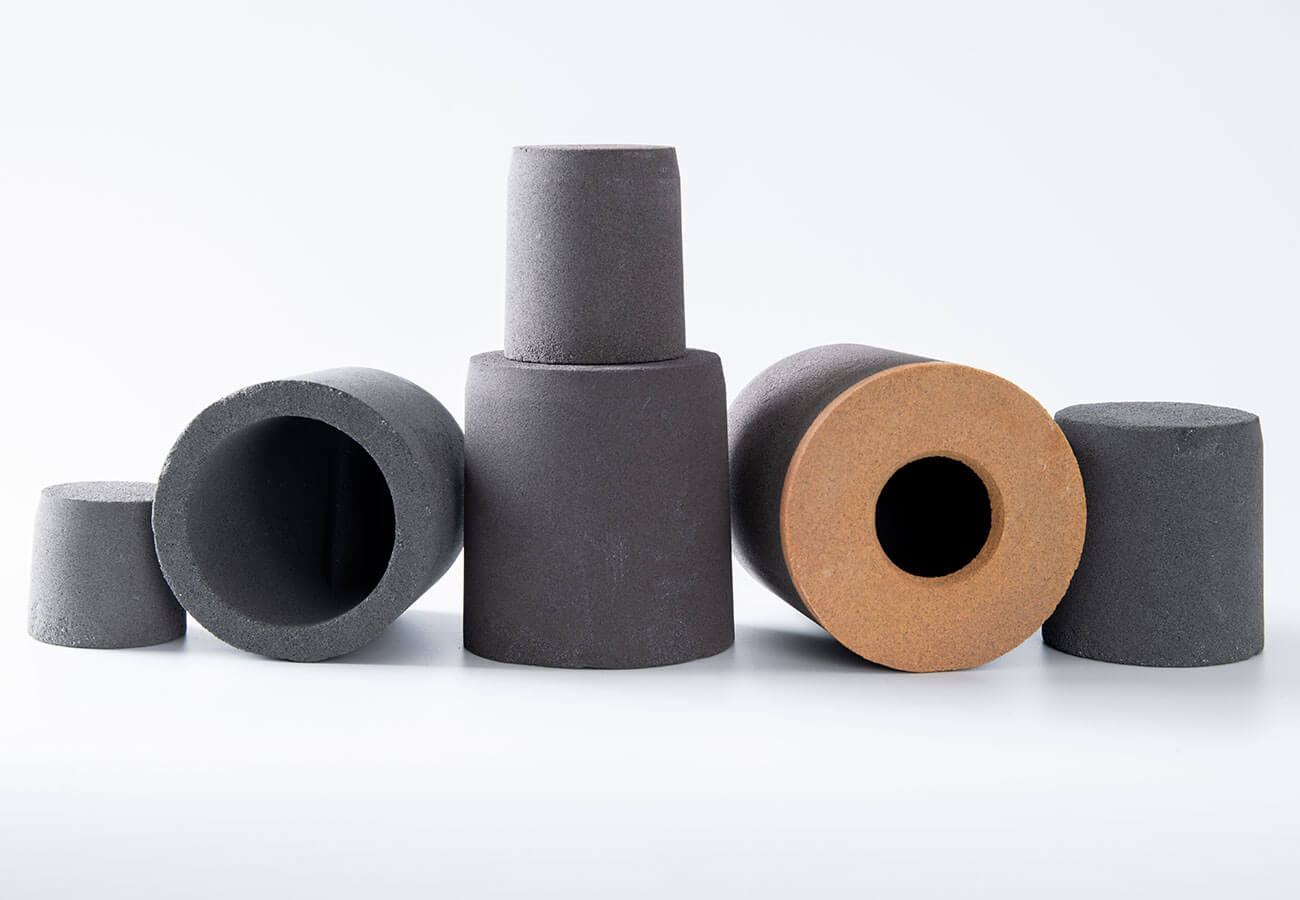
Both open and blind risers benefit significantly from modern riser sleeve technology:
For Open Risers:
-
Insulating or exothermic sleeves reduce heat loss from the riser walls
-
After pouring, exothermic topping compounds can be added to the exposed surface to extend feeding time
-
Riser sleeves achieve required height regardless of flask limitations
For Blind Risers:
-
Exothermic and insulating sleeves dramatically improve efficiency
-
Mini-risers (highly exothermic sleeves with small volumes) achieve feed efficiency up to 70%
-
Compatible with breaker cores for minimum contact areas
Selection Decision Matrix
| Factor | Choose Open Riser | Choose Blind Riser |
|---|---|---|
| Casting Size | Large castings | Medium/small castings |
| Alloy Type | Steel (especially large) | Ductile iron, malleable iron |
| Molding Method | Manual molding | Machine molding, high-pressure molding |
| Feeding Priority | Observability, topping capability | Efficiency, yield improvement |
| Hot Spot Location | Top of casting | Any location—especially mid/lower sections |
| Finishing Concerns | Less critical | Critical—smaller contact areas |
| Mold Rigidity | Standard | High rigidity (to utilize expansion pressure) |
| Metal Waste Tolerance | Lower concern | Primary concern—maximize yield |
Conclusion
The choice between open and blind risers is not simply a matter of preference—it is a technical decision that affects casting quality, yield, and production economics.
Open risers offer simplicity, observability, and unrestricted height, making them indispensable for large steel castings and operations where process monitoring is critical.
Blind risers deliver superior feeding efficiency, placement flexibility, and the ability to utilize internal solidification pressures—particularly valuable for ductile iron, machine molding, and any application where yield improvement and waste reduction matter.
Modern foundries increasingly favor blind risers enhanced with exothermic and insulating sleeves, achieving feeding efficiencies that traditional open risers cannot match. However, both types remain essential tools in the foundry engineer’s portfolio, each with well-defined applications where they perform optimally.
By understanding the fundamental differences outlined in this guide, you can select the right riser type for your specific casting requirements and achieve sound, defect-free castings with optimal yield.
For assistance with riser selection or custom feeding solutions for your specific casting applications, contact our technical team.