


As a leading manufacturer of ceramic filters for foundries, we at SF-Foundry frequently receive inquiries from our global customers about the correct Harmonized System (HS) code for our products. Clearing customs smoothly is critical for your supply chain, and using the accurate HS code is the first step. Based on our experience in shipping to countless international destinations, we’ve prepared this guide to help you navigate the classification of ceramic foam and honeycomb filters.
Why Getting the HS Code Right Matters
The HS code is an internationally standardized system for classifying traded products. It determines the import duties, taxes, and any regulatory requirements your shipment will face. An incorrect code can lead to customs delays, unexpected costs, and even penalties. For industrial ceramic filters, the most common mistake is misclassifying them as machinery parts, which belong to a different section of the HS code altogether.
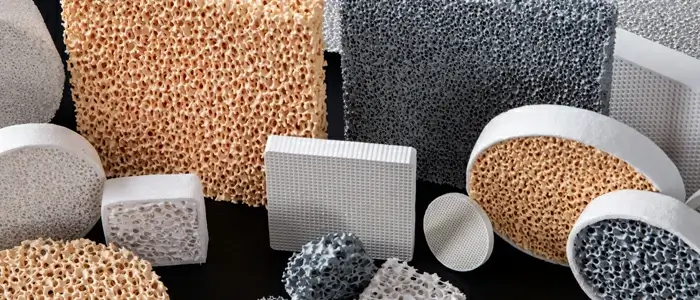
Correct HS Code Chapter for Ceramic Filters
Ceramic filters, due to their essential material composition, are almost always classified under Chapter 69: Ceramic Products. This is a fundamental rule supported by customs authorities worldwide.
A specific case from the Kaohsiung Customs office highlights this point. They clarified that a “Water Filters ceramic filter core” should be classified under heading 6909 as a “water filter for taps,” and explicitly not under Chapter 84 for machinery, because it is primarily made of ceramic. This principle applies directly to our industrial ceramic filters.
Common HS Codes for Foundry Ceramic Filters
Within Chapter 69, the specific subheading depends on the filter’s composition and technical characteristics. Based on observed trade data and product listings, ceramic filters for metal filtration typically fall under one of the following codes:
| Product Type & Description | Possible HS Code Heading | Notes & Reference |
|---|---|---|
| Ceramic Foam Filters (e.g., for molten aluminum/iron) | 6903.90.0090 | Classified as “Other refractory ceramic goods”. This is a very common code for alumina or silicon carbide refractory filters. |
| Ceramic Foam Filter Plates (Silicon Carbide, specific dimensions) | 8708.92.0000 | A specific code found listed for SiC foam filters on a global trading platform. Note: Always verify with customs if this code applies to your specific case. |
| Ceramic Foam Filter Panels (Alumina-based) | 6914.90.0000 | Classified under “Other ceramic articles”. |
| Honeycomb Ceramic Filters | 6903.90.0090 | Similar to foam filters, these are also often considered refractory ceramic goods. |
Disclaimer: The codes in the table above are for reference and educational purposes. They are based on observed market data and examples. The final code for your shipment depends on the precise product attributes and the importing country’s specific tariff schedule.
Key Factors Determining the Code
From our experience, customs authorities look at several details to determine the correct code:
-
Material Composition: Is it primarily alumina (Al₂O₃), silicon carbide (SiC), or another ceramic? Filters with >50% alumina often fall under a specific subheading.
-
Refractoriness: Products designed to withstand very high temperatures (e.g., >1500°C) are typically classified as “refractory ceramic goods”.
-
Shape and Application: The physical form (plate, tube, etc.) and its stated industrial use (metal filtration) are key declarative factors.
Our Practical Advice for You
-
Always Confirm with Your Forwarder: Your freight forwarder or customs broker is your best resource. Provide them with a detailed product description, material data sheet, and a photo.
-
Request a Binding Ruling: For recurring shipments, the safest approach is for the importer to apply for a Binding Tariff Information (BTI) ruling from their local customs authority. This provides legal certainty.
-
Use Detailed Product Descriptions on Documents: Instead of just “Ceramic Filter,” describe it as “Refractory Ceramic Foam Filter for Molten Aluminum Filtration, made of Alumina (Al2O3).” Clarity prevents misunderstandings.
We hope this guide provides a clear starting point for your logistics planning. As your reliable supplier, SF-Foundry is committed to supporting your business beyond production. We are happy to provide all necessary technical documentation about our foam ceramic filters and honeycomb ceramic filters to assist you or your broker in determining the correct classification.
For specific questions about your next order and the required commercial documents, please get in touch with our sales team.