


In industrial processes involving extreme heat—from metal casting to chemical processing—the choice of filtration system can significantly impact product quality, operational efficiency, and cost. High temperature filters, especially those made from advanced materials like ceramics and specialized fibers, play a critical role in ensuring purity, safety, and performance under demanding conditions.
At SF-Foundry, we have spent years refining high-temperature filtration solutions for global foundry and industrial clients. In this guide, I’ll share practical insights into the importance of these filters, their applications, and how to select the right type for your needs.
Why High Temperature Filters Are Indispensable in Modern Industry
Ensuring Product Quality and Purity
High temperature filters effectively remove impurities—such as slag, non-metallic inclusions, and fine particulates—from molten metals and process fluids. This results in:
-
Improved mechanical properties of cast components, such as tensile strength and durability.
-
Reduced defects in finished products, enhancing overall quality.
For example, in aluminum casting, using specialized filters can increase material utilization by approximately 4% while significantly lowering production costs.

Enhancing Process Safety and Reliability
Filters designed to withstand extreme temperatures (e.g., up to 1000°C for ceramic fiber filters) ensure operational stability in harsh environments. They prevent system failures caused by:
-
Clogging or structural degradation under thermal stress.
-
Unplanned downtime due to filter failure.
Meeting Environmental and Regulatory Standards
Industries worldwide face tightening emissions regulations. High-temperature filters, such as ceramic fiber filter cartridges, enable:
-
Ultra-low emissions, with particulate matter (PM) discharge rates below 2 mg/Nm³.
-
Compliance with international environmental protocols.
Improving Operational Efficiency
By optimizing flow dynamics and reducing turbulence, these filters contribute to:
-
Lower energy consumption through reduced pressure drops.
-
Extended equipment lifespan due to minimized wear and corrosion.
Types of High Temperature Filters and Their Applications
Different industrial scenarios require specific filter characteristics. Below is a comparative overview of common high-temperature filter types:
| Filter Type | Max Operating Temp | Key Features | Primary Applications |
|---|---|---|---|
| Ceramic Honeycomb | Up to 1450°C | Parallel channels, low flow resistance, high thermal shock resistance | Molten iron, steel, and copper alloy filtration; air filtration systems |
| Ceramic Foam | Up to 1600°C | 3D porous structure, high dirt-holding capacity | Casting of non-ferrous metals; filtration of inclusions; air filtration systems |
| Glass Fiber Filters | ~300°C–600°C | Cost-effective, versatile shapes (cap, disc, tube) | Aluminum/low-temperature alloy casting |
| Ceramic Fiber Cartridges | Up to 1000°C | High porosity (>83%), acid/alkali corrosion resistance | Flue gas treatment; dust removal in steel/glass industries |
Ceramic Filters: The High-Performance Choice
-
Honeycomb Ceramic Filters: Ideal for high-flow molten metal applications, they provide efficient filtration with minimal pressure drop. Their straight-channel design ensures smooth laminar flow, reducing oxide formation.
-
Foam Ceramic Filters: Made from materials like silicon carbide, mullite, or zirconia, these are sintered to form interconnected porous networks suitable for trapping fine impurities.
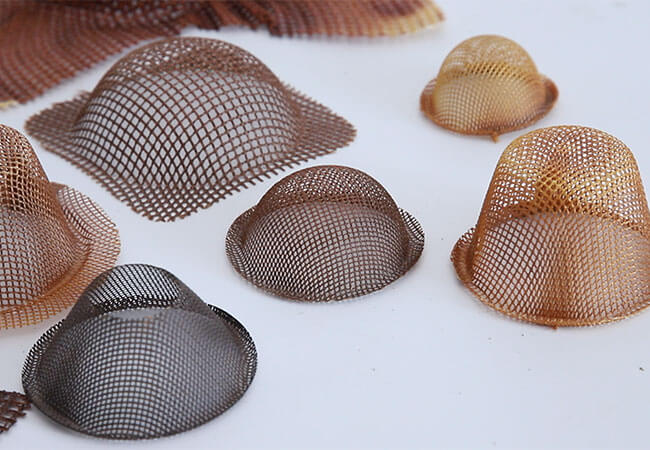
Glass Fiber Filters: The Cost-Effective Alternative
-
Widely used in aluminum and aluminum alloy casting for their affordability and adaptability to complex shapes (e.g., cap-type or combined filters).
-
Effective in improving surface quality and mechanical properties of castings.
Advanced Composite & Specialty Filters
-
Emerging materials, such as organic-inorganic (OMI) nanofiber membranes, demonstrate exceptional thermal stability (e.g., retaining 94.68% PM0.3 filtration efficiency after 12 hours at 250°C).
-
Innovative filters with integrated catalytic functions (e.g., denitrification rates exceeding 99.9%) are gaining traction in emission control systems.
Key Applications of High Temperature Filters Across Industries
Metal Casting and Foundry
-
Molten Metal Filtration: Filters remove oxides, slag, and refractory particles from aluminum, iron, steel, and copper alloys.
-
Gating System Integration: Optimized filters integrated into pouring systems reduce turbulence and enhance casting yield.
From our experience at SF-Foundry, clients using our honeycomb ceramic filters reported a 15–20% reduction in defect rates in steel casting production.
Thermal Processing and Heat Treatment
Used in sintering, annealing, and other high-temperature processes to maintain atmospheric purity and protect heating elements.
Glass Manufacturing
Ceramic filters withstand temperatures of 1000°C–1500°C in molten glass streams, ensuring bubble-free, homogeneous output.
Environmental and Emission Control
High-temperature ceramic fiber cartridges are widely used in:
- Dry desulfurization, denitrification, and dust removal systems.
- Waste incineration and biomass energy flue gas treatment.
Nuclear and Power Industries
Glass microfiber filter media play a critical role in:
- Nuclear-grade air purification.
- Water filtration in nuclear power plants, aligning with radioactive waste minimization principles.
How to Select the Right High Temperature Filter
Selecting the appropriate filter involves evaluating both the operating environment and performance requirements.
Temperature Resistance
-
Determine the continuous operating temperature and maximum thermal shock resistance.
-
Example: Ceramic filters are suitable for >1000°C, while glass fiber filters are optimal for <600°C.
Chemical Compatibility
Assess resistance to molten metal corrosion, acid/alkali exposure, or oxidizing atmospheres.
Filtration Efficiency and Flow Characteristics
-
Match the filter pore size (e.g., gradient porosity) to the target impurity size.
-
Consider filters with low flow resistance to reduce energy costs.
Mechanical Strength and Durability
In high-impact applications (e.g., heavy casting), prioritize filters with high compressive strength (e.g., >0.6 MPa).
Regulatory and Certification Requirements
Look for products compliant with international standards like ISO 29463 or specific industry certifications.
Innovations and Future Trends
The high-temperature filtration landscape is evolving rapidly. Key trends include:
-
Smart Filtration Systems: Integration of IoT sensors for real-time pressure and clogging monitoring.
-
Eco-Friendly Materials: Development of biodegradable filter media (e.g., PLA-based membranes) for specific air filtration applications.
-
Multi-Functional Filters: Combining filtration with catalytic purification (deNOx, deSOx) in a single unit.
-
Advanced Materials: Nano-enhanced ceramics and composite structures for longer service life and higher temperature resistance.
Why Choose SF-Foundry Ceramic Filters?
At SF-Foundry, we combine material expertise with practical foundry experience to deliver reliable, high-performance filtration solutions. Here’s what sets us apart:
-
Proven Expertise: Our products, including honeycomb and foam ceramic filters, are trusted by foundries worldwide for superior impurity removal and flow control.
-
Customization: We offer tailored filter sizes (from 20mm to 150mm) and material compositions (cordierite, mullite, silicon carbide) to meet specific operational requirements.
-
Global Supply Chain: We ensure timely delivery and technical support—recently demonstrated through our successful shipment of honeycomb ceramic filters to India in November 2025.
-
Comprehensive Solutions: In addition to filters, we supply a full range of foundry products, including pouring cups, risers, thermocouples, and sampling cups.
Conclusion
High temperature filters are not just auxiliary components—they are vital to achieving superior product quality, operational efficiency, and regulatory compliance in demanding industrial environments. By understanding the different filter types, applications, and selection criteria outlined in this guide, you can make an informed decision that aligns with your specific needs.
Explore SF-Foundry’s high-temperature filter solutions to optimize your casting and industrial processes. Contact us today to discuss your requirements or request a product sample.