


The Same Material Name Does Not Always Mean the Same Product
In the aluminum casting industry, customers sometimes refer to existing reinforced fiberglass composite products when requesting a quotation. They may use a familiar product name or an established brand as a reference, but this does not necessarily mean they need the complete product associated with that name.
Nor does it mean that products from different suppliers have identical structures or performance characteristics.
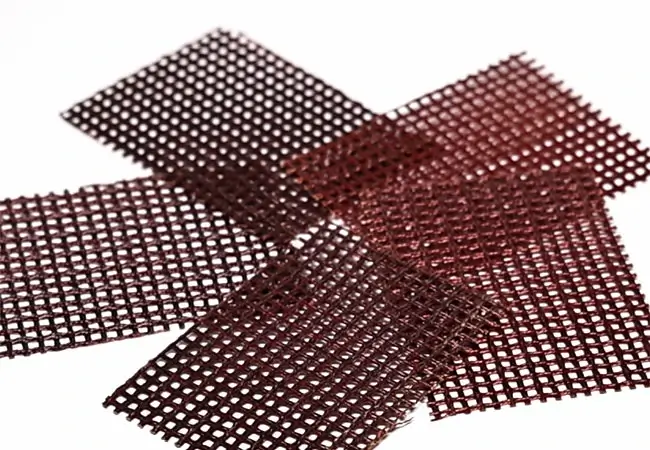
During a specialized material project with a customer in Mexico, the initial inquiry involved a reinforced fiberglass product associated with a refractory coating. Further communication helped clarify that the customer was looking for a specific fiberglass-based component rather than a complete casting or pouring device.
This illustrates an important point: suppliers should not determine the full scope of a project from the product name alone. Understanding whether the customer needs raw material, a semi-finished product, or a finished component is essential to providing an appropriate solution.
Confirming the Application and Product Form Before Quotation
For reinforced fiberglass composite materials, the first step is to understand the intended application. Relevant information may include the installation position, contact medium, operating temperature, and processing method.
For applications involving molten metal, the type of metal and the actual casting conditions should also be confirmed.
The second step is to clarify the required product form. A customer may need untreated fiberglass reinforcement, a semi-finished material with a particular coating, or a finished component such as a mesh cap. Although these products may share a similar base material, their manufacturing processes, dimensional requirements, and validation methods can differ significantly.
Photographs, videos, engineering drawings, and physical samples can all help suppliers evaluate the requested structure. When complete technical information is unavailable, the supplier should identify what is known, what still needs confirmation, and which properties must be verified through testing.
This is especially important when the customer has specific requirements for thermal performance, coating behavior, or suitability for a particular casting process.
Building a Practical Solution Through Technical Communication
Specialized material projects often require cooperation between sales, engineering, and production teams. Sales personnel clarify the customer’s needs, technical staff evaluate the design and application requirements, and the production team determines whether the proposed solution is feasible with existing processes or requires additional development.
When handling reinforced fiberglass composite inquiries, we follow a step-by-step approach. We first confirm the intended application and product form, then review the structure and specifications, and finally discuss sample development and the evaluation plan.
This process reduces misunderstandings caused by different interpretations of product names and helps customers understand what can realistically be supplied.
For non-standard industrial materials, making unsupported performance promises at the beginning can create unnecessary risks. A more reliable approach is to ask the right technical questions, define the product requirements clearly, and validate the solution through an agreed evaluation process.
At SF-Foundry, our goal is to help customers identify a practical product solution based on their actual application rather than simply supplying a material that appears similar to their reference product.
