


Aluminum casting is everywhere—engine blocks, electric vehicle battery housings, aerospace components, and even your laptop case. The market has been growing for years, and most industry observers expect that growth to continue.
But beneath the headlines, fundamental shifts are happening: the rise of electric vehicles, tighter emissions rules, new trade policies, and changing casting technologies.
Market Direction – Growing, But Not Uniformly
Most industry reports agree: the aluminum casting market is growing. The drivers are consistent across regions: automotive lightweighting, electric vehicle production, stricter emissions regulations, and the ongoing substitution of steel and iron with aluminum.
However, growth is not uniform across all segments. Some applications are expanding rapidly; others are maturing or even shrinking. Foundries that understand where the growth is happening can position themselves accordingly.
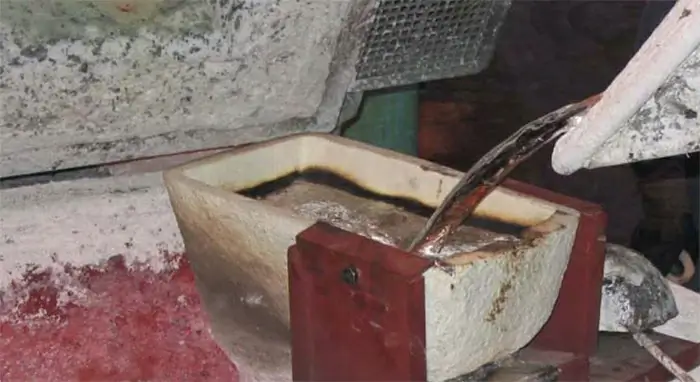
Major Market Segments
Transportation (Automotive) – The Largest Segment
The automotive industry consumes the largest share of aluminum castings. Key applications include:
-
Engine blocks and cylinder heads
-
Transmission cases and housings
-
Structural parts (subframes, crash management systems)
-
Wheels and brake components
-
EV battery housings and motor enclosures
While traditional internal combustion engine castings face headwinds, electric vehicles create new demand for battery housings, structural components, and thermal management parts.
Industrial Machinery
Industrial applications—pump housings, hydraulic components, compressors, and machinery frames—represent a steady, mature segment. Demand is driven by infrastructure investment and industrial automation.
Building and Construction
Aluminum castings are used in window frames, door hardware, curtain walls, and structural connectors. Growth in construction activity, particularly in emerging economies, supports this segment.
Aerospace and Defense
The aerospace and defense sectors increasingly adopt aluminum castings for structural frames, engine components, and housings. The strength‑to‑weight ratio of aluminum makes it attractive for aircraft and military equipment.
Key Drivers
1. Automotive Lightweighting
Reducing vehicle weight to meet fuel economy and emissions standards has been a primary driver for decades. Aluminum parts weigh significantly less than equivalent steel components while offering comparable strength. Stricter emissions regulations worldwide continue to push automakers toward more aluminum content.
2. Electric Vehicle Production
EVs require aluminum for battery housings, motor casings, structural components, and thermal management systems. Battery housings, in particular, are a growth area: they require large, complex castings with demanding quality requirements (pressure tightness, structural integrity).
However, there is a nuance. A traditional combustion engine requires many cast aluminum products; an electric drive unit requires far fewer. While EVs use aluminum in battery housings and structural components, they don’t use as many large castings in the drivetrain. This is a double‑edged sword for foundries: fewer castings per vehicle in some areas, but higher‑value, larger, more complex castings in others.
The trend toward megacasting – consolidating dozens of smaller stamped parts into one large casting – may offset this by creating demand for very large structural castings.
3. Sustainability and Recycled Content
Aluminum is highly recyclable. Using recycled content in casting reduces both greenhouse gas emissions and energy consumption significantly compared to primary aluminum production. Carbon border mechanisms are creating a competitive advantage for foundries that can demonstrate lower carbon footprints. Some OEMs now include recycled content requirements in their sourcing scorecards.
4. Technology Advancements
Advancements in high‑pressure die casting (HPDC), low‑pressure die casting (LPDC), and automation are boosting operational efficiency. Sensor‑based process control and simulation tools are reducing scrap rates and improving first‑pass yield. These advancements place higher demands on consumables – including ceramic foam filters – which must perform consistently under tighter process control.
Regional Market Characteristics
Asia Pacific – The Largest Market
Asia Pacific holds the largest share of the global aluminum casting market, driven by China’s position as a major producer and consumer of aluminum, as well as high‑tech manufacturing and a skilled workforce. India is also a significant growth market, supported by government automotive initiatives.
North America – Stable and Reshoring
North America is a mature but stable market. Demand is driven by lightweighting in the automotive industry and by reshoring trends. Major automakers are investing in new aluminum casting capacity, particularly for EV components.
Europe – Driven by Regulations
Europe is heavily influenced by CO₂ regulations, which drive automakers to adopt lightweight materials like aluminum. The aerospace sector (Airbus, Safran) and industrial machinery also contribute significantly.
What This Means for Aluminum Foundries
For aluminum foundries, the market trends translate into several concrete changes:
-
Higher quality demands – As castings become more structural and safety‑critical (battery housings, chassis components), customers demand tighter defect tolerances. This places more pressure on foundries to produce cleaner, more consistent metal – which directly increases the value of effective filtration.
-
More complex castings – Megacasting and thin‑wall designs require precise flow control and inclusion‑free metal. Advanced ceramic foam filters with finer PPI ratings, properly sealed and placed, are becoming essential.
-
Pressure on efficiency and scrap reduction – With rising energy costs and tight margins, every scrap casting hurts. Process improvements depend on consumables (like filters) performing consistently.
-
Sustainability reporting – Foundries are increasingly asked to document their carbon footprint. Using filters that improve yield and reduce scrap lowers the overall emissions per good casting.
-
Regional supply chain shifts – Tariffs and trade policy changes are encouraging foundries to regionalize supply chains. This creates opportunities for consumable suppliers who can offer consistent quality and local support.
What This Means for SF-Foundry
As a supplier of alumina ceramic foam filters for aluminum casting, these market trends are directly relevant:
-
Growing market means growing demand for consumables – More castings require more filters.
-
Quality requirements are rising – Foundries that fail to meet tighter defect standards will lose business. This makes effective filtration even more valuable.
-
EV battery housings are a growth opportunity – Battery housings require clean metal and pressure tightness – both of which depend on consistent filtration.
-
Process control emphasis benefits reliable suppliers – As foundries invest in automation, they expect consumables with consistent performance and documented quality.
-
Sustainability is a selling point – Filters that improve yield and reduce scrap help foundries lower their carbon footprint.
Conclusion
The aluminum casting market is growing, driven by automotive lightweighting, EV production, stricter emissions regulations, and sustainability demands. But the growth isn’t uniform. EVs bring new opportunities (battery housings) and new challenges (fewer powertrain castings). Regional shifts are underway, with Asia Pacific leading but North America and Europe holding steady.
For aluminum foundries, the clear implications are:
-
Quality and consistency are more important than ever.
-
Efficiency and scrap reduction are essential.
-
Sustainability is becoming a competitive differentiator.
And for SF-Foundry, this means foundries need reliable, high‑performance filtration solutions more than ever.
Need help optimizing your filtration for higher quality, lower scrap, or EV applications? Contact our technical team for a recommendation.
Contact SF-Foundry Technical Support:
Email: info@sf-foundry.com
Phone / WhatsApp: +86 18636913699
Website: www.sf-foundry.com