


For decades, foundries casting iron and steel have used traditional ceramic runners – rigid, pre‑formed refractory channels. These are durable, but they have drawbacks: they are heavy, can crack, produce dust when cut, and leave ceramic debris that contaminates sand.
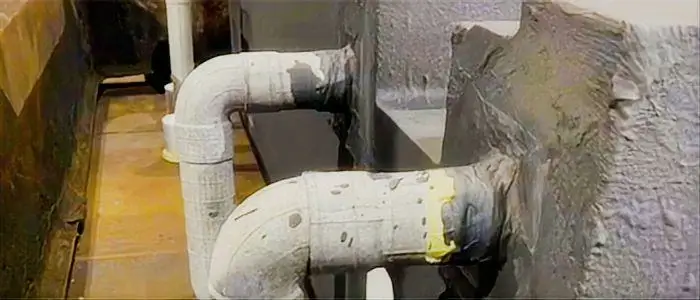
Paper runners (also known as recycled‑pulp runners, e.g., EG RUNNER) offer a completely different approach. Made from recycled pulp, they are lightweight, eco-friendly, and easy to cut.
This guide compares the two technologies to help you decide which is more cost‑effective for your foundry.
What Are We Comparing?
| Feature | Traditional Ceramic Runner | Paper Runner (e.g., EG RUNNER) |
| Material | Fired refractory (mullite, alumina, SiC) | Recycled paper pulp |
| Suitable alloys | Iron, steel | Iron, steel |
| Weight | Heavy | Light – easy to carry |
| Cutting | Requires saw/grinder – creates dust | Can be cut with knife – minimal dust |
| Joints | Require refractory mortar or tape | Simple push-fit connections |
Direct Cost Comparison
Material Cost
| Runner Type | Cost per Piece | Notes |
|---|---|---|
| Ceramic runner | Higher | Durable but expensive to produce |
| Paper runner | Lower (typically 30‑50% less) | Mass‑produced from inexpensive pulp |
Labor and Workability
| Task | Ceramic Runner | Paper Runner |
|---|---|---|
| Carrying to mold | Heavy – may require two hands | Light – one hand, less fatigue |
| Cutting to length | Time‑consuming, dusty | Quick, clean |
| Joining sections | Mortar or tape – slow | Push‑fit – seconds |
| Cleaning after use | Required – scraping, grinding | None – burns away |
| Removing from sand | Must be extracted – can break | No removal needed |
Paper runners significantly reduce labor time – both in mold preparation and post‑pour cleanup.
Scrap and Rework
| Issue | Ceramic Runner | Paper Runner |
|---|---|---|
| Cracked runners | Common – causes metal penetration, inclusions | Not applicable – burns away |
| Sand contamination | Ceramic fragments in old sand | No contamination |
| Cleaning residue | Mortar or tape remnants | None |
Paper runners eliminate defects caused by cracked or chipped ceramic runners.
Environmental and Sand Quality Benefits
Traditional ceramic runners eventually break and end up as waste. Their fragments contaminate old sand, requiring additional screening or disposal.
Paper runners:
-
Are made from recycled pulp – a renewable resource
-
Leave no ceramic particles in the sand – improves sand quality and mold strength
This makes paper runners an attractive choice for foundries with sustainability goals or strict sand quality requirements.
When to Choose Each
Choose Paper Runners When:
| Condition | Why |
|---|---|
| Labor cost is high | Eliminates cleaning and reduces handling time |
| You want to improve sand quality | No ceramic debris |
| Sustainability is important | Made from recycled pulp, zero waste |
| You have frequent runner breakage | Paper runners don’t crack |
| Volume is low to medium | Material cost difference is acceptable |
Choose Traditional Ceramic Runners When:
| Condition | Why |
|---|---|
| Volume is extremely high (>20,000 casts/year) | Reusability may lower per‑casting cost |
| You already have automated cleaning systems | Labor cost is minimal |
| You need custom complex shapes not available in paper | Ceramic can be molded |
Frequently Asked Questions
Q1: Are paper runners strong enough to handle molding pressure?
A: Yes. Paper runners are made from dense, durable pulp material that holds its shape during sand compaction.
Q2: Can they be used for steel?
A: Yes, high‑temperature grades are available for steel casting.
Q4: How do I size a paper runner compared to a ceramic runner?
A: Use the same cross‑sectional area. Paper runners are available in standard diameters from 30mm to 100mm.
Q5: Can paper runners be used with filters?
A: Yes. They can connect directly to filter boxes.
Conclusion
Paper runners (recycled‑pulp runners) are a modern, cost‑effective alternative to traditional ceramic runners for iron and steel sand casting. Their advantages are clear:
| Benefit | Impact |
| Lightweight, easy to cut and join | Saves labor in mold making |
| No ceramic debris | Improves sand quality and mold strength |
| Lower material cost | Reduces consumables expense |
For most low‑ to medium‑volume foundries, paper runners offer lower total cost and better workability. For very high‑volume operations, traditional ceramic runners may still be competitive if cleaning is automated.
At SF-Foundry, we supply high‑quality paper runners for iron and steel foundries. Contact us for samples or a cost‑saving analysis for your production.
Contact us:
-
Email: info@sf-foundry.com
-
Technical Support: 8618636913699
-
Website: www.sf-foundry.com